Beautiful rugs, delivered fast + free

Rug Size Guides
Rug pads are often treated as an afterthought. Many people buy a beautiful rug, roll it out, and only later realize it slips, bunches, curls at the corners, or feels thinner than expected underfoot. In almost every case, the issue comes down to the rug pad, and more specifically, the size of the rug pad.
Choosing the right rug pad size affects how your rug looks, how it feels, and how safely it performs in your home. A pad that is too large can peek out and create a tripping hazard. One that is too small can allow the rug to slide, wrinkle, or wear unevenly. The correct size, paired with the right material, helps anchor the rug in place, protects your floors, and extends the life of your investment.
This guide is designed to be the most complete, practical resource on rug pad sizing available. Whether you are placing a runner in a hallway, layering an area rug over carpet, or anchoring a large living room rug, you will learn exactly how to size, select, and install a rug pad with confidence.
If you want the short answer before diving into the details, start here.
If you are between sizes, always size down rather than up. You can trim many rug pads at home for a custom fit.

Rug pads serve three essential purposes: safety, comfort, and protection. Size plays a role in all three.
A properly sized rug pad grips both the rug and the floor. When the pad is too small, the edges of the rug are unsupported, which can cause curling or shifting. When the pad is too large, exposed edges can catch shoes or vacuum cleaners.
Rug pads add cushioning and insulation. If the pad is undersized, the rug may feel uneven or thin, especially near the edges where people step most often.
Rug pads create a buffer between the rug and the floor, reducing friction and wear. Pads that extend beyond the rug can trap dirt and moisture against the floor surface. Pads that are too small allow excess movement that breaks down rug fibers over time.
Correct sizing ensures the pad works as intended without introducing new problems.
Choosing the right rug pad size starts with accurate measurements and a clear understanding of how the rug will be used.
Always measure the rug itself, not the space where it will sit. Use a tape measure to confirm the rug’s exact length and width, especially if it is handmade or slightly irregular.
Once you have the rug dimensions, subtract 1 to 2 inches from both the length and width. This ensures the pad stays hidden beneath the rug edges.
Your floor surface affects both pad material and thickness, which in turn affects sizing.
Rug construction matters more than many people expect.
Heavier rugs are more forgiving with pad size, while lighter rugs demand more precision.
Different rug shapes and sizes benefit from slightly different sizing strategies.
Small rugs, such as entryway mats or bedside rugs, are the most prone to slipping.
Best practices:
For small rugs, precision matters. Even a half-inch of exposed pad can be noticeable.
Large rugs anchor rooms, define furniture layouts, and handle heavy foot traffic.
Best practices:
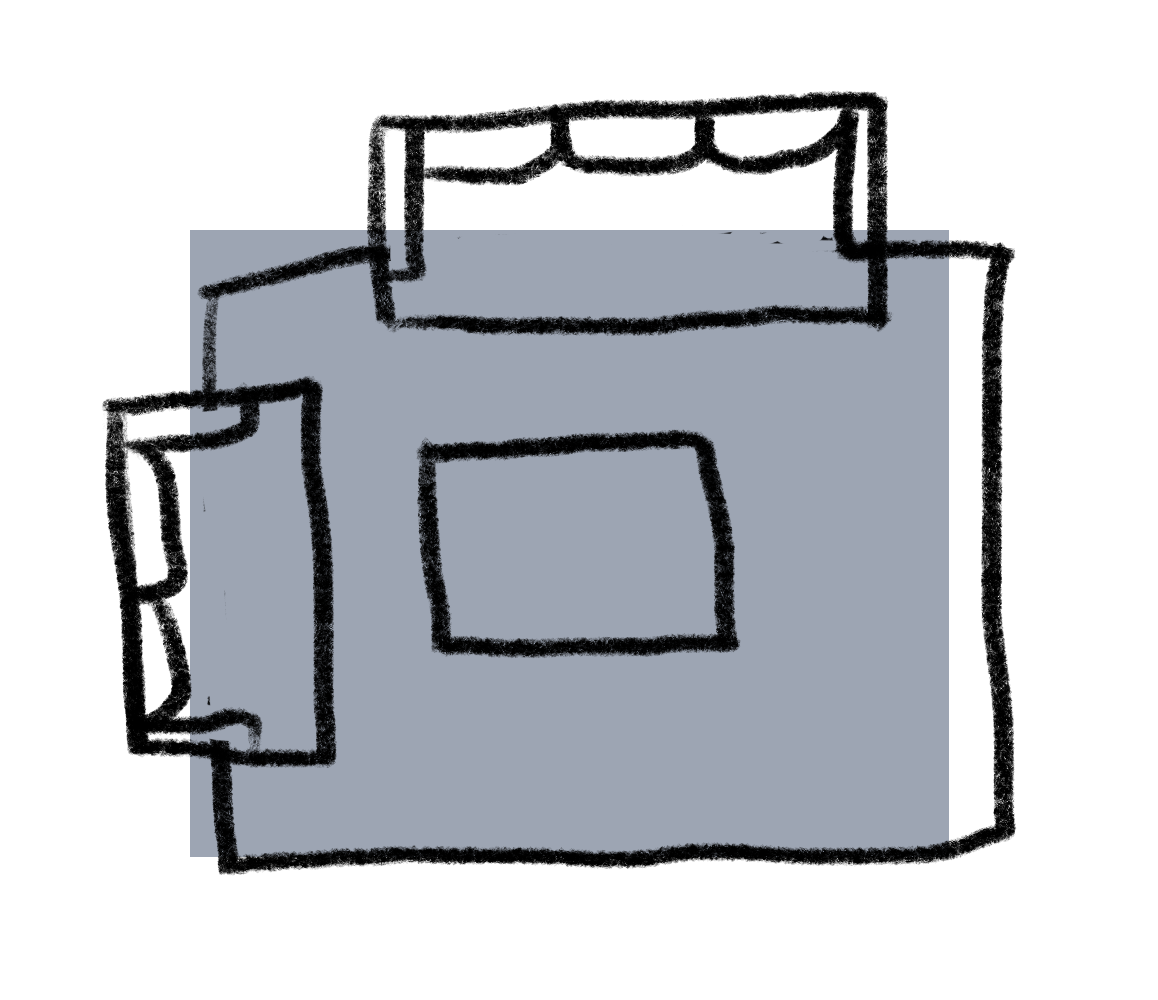
If furniture sits partially on the rug, the pad should extend beneath those areas to prevent uneven wear.
Runners are long and narrow, which makes sizing especially important.
Best practices:
Runners benefit from pads designed specifically for their shape, rather than cutting down oversized pads whenever possible.
Even well-intentioned buyers often make these mistakes.
A rug pad should almost never be the exact same size as the rug. Even slight shifting can cause edges to show.
Many people assume bigger is better, but oversized pads create more problems than they solve. Exposed pad edges collect dirt and pose a tripping risk.
High-traffic areas need different pad characteristics than low-use spaces. Hallways, kitchens, and entryways benefit from thinner, grippier pads.
A thick pad under a low-clearance door can cause the rug to snag or bunch. Always check door swing paths before choosing pad thickness.

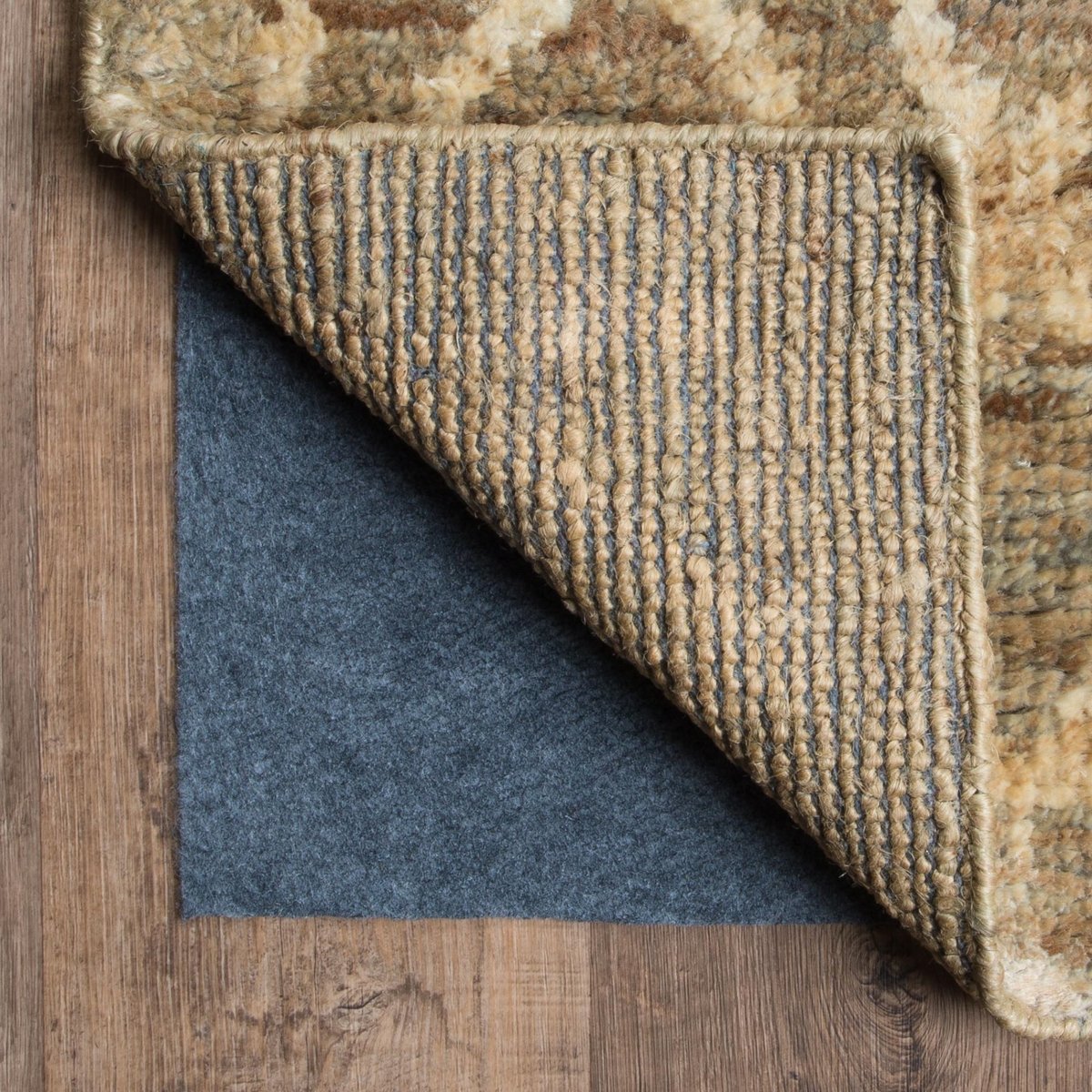
Material choice influences not only performance but also how forgiving a pad is when it comes to size.
Felt pads are dense and cushioning. They work best under large rugs and furniture-heavy layouts.
Rubber pads provide excellent grip on hard floors.
Combination pads pair felt cushioning with a rubber backing.
Choosing the right material makes sizing easier and improves long-term performance.
Proper installation ensures your rug pad performs as intended.

Rug pad sizing may seem like a small detail, but it plays a major role in how your rug looks, feels, and functions every day. A properly sized rug pad improves safety, enhances comfort, and protects both your rug and your floors over time.
By measuring carefully, choosing the right material, and sizing the pad slightly smaller than the rug, you set your space up for long-term success. Whether you are placing a runner in a hallway or anchoring a large living room layout, the right rug pad size ensures your rug stays exactly where it belongs.
For more guidance, explore our rug pad selection, rug size guides, and room-by-room placement tips to create a home that looks polished and feels comfortable from the ground up.
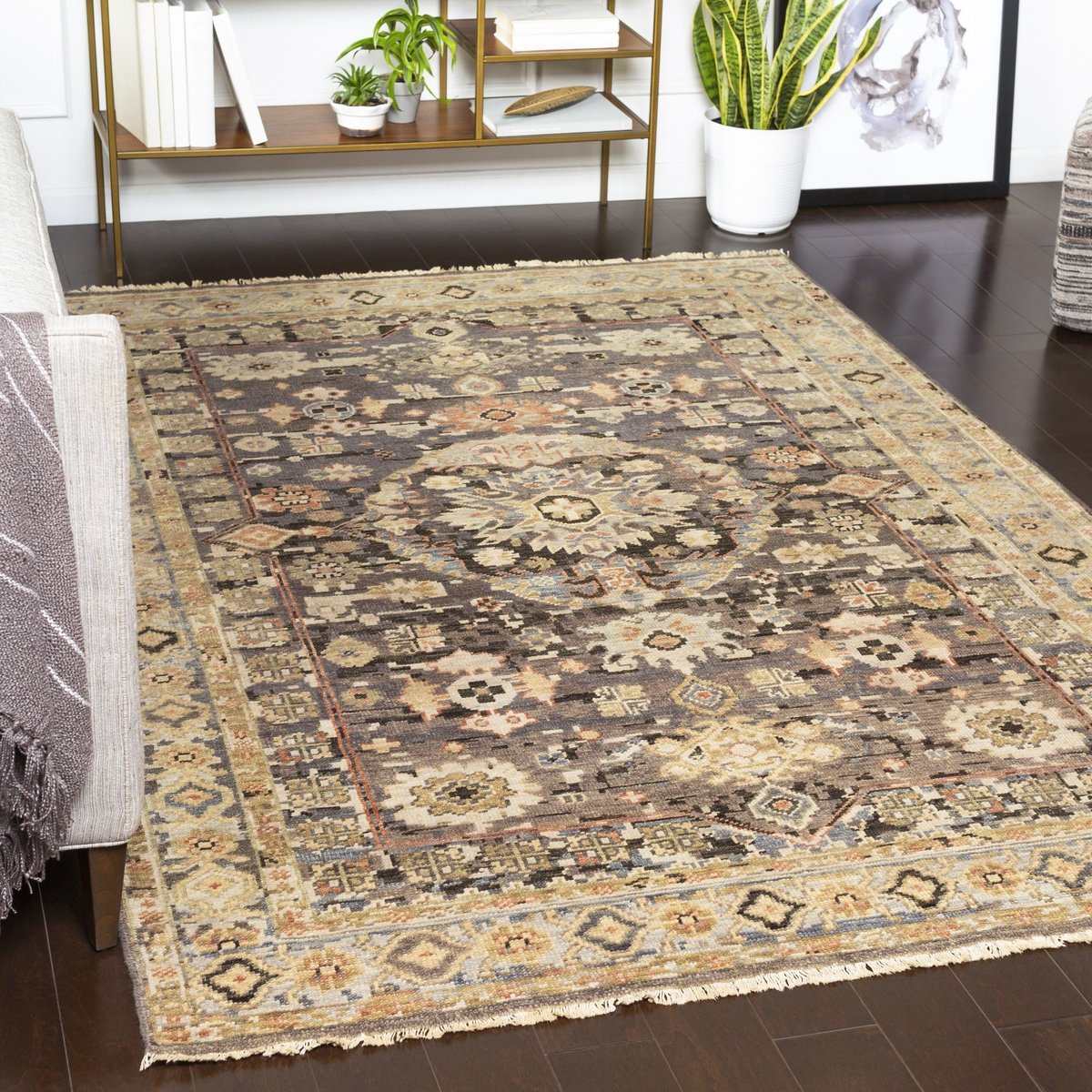
In most cases, a rug pad should be 1 to 2 inches smaller on all sides. This keeps the pad hidden and prevents tripping hazards.
No. A rug pad should never extend beyond the rug edges. If it does, trim it down before use.
The general sizing rule is the same, but pad thickness and material may differ. Hard floors need non-slip backing, while carpeted floors need thinner, denser pads.
Yes. Runners benefit from narrow, low-profile pads sized specifically for their shape to prevent bunching and door interference.
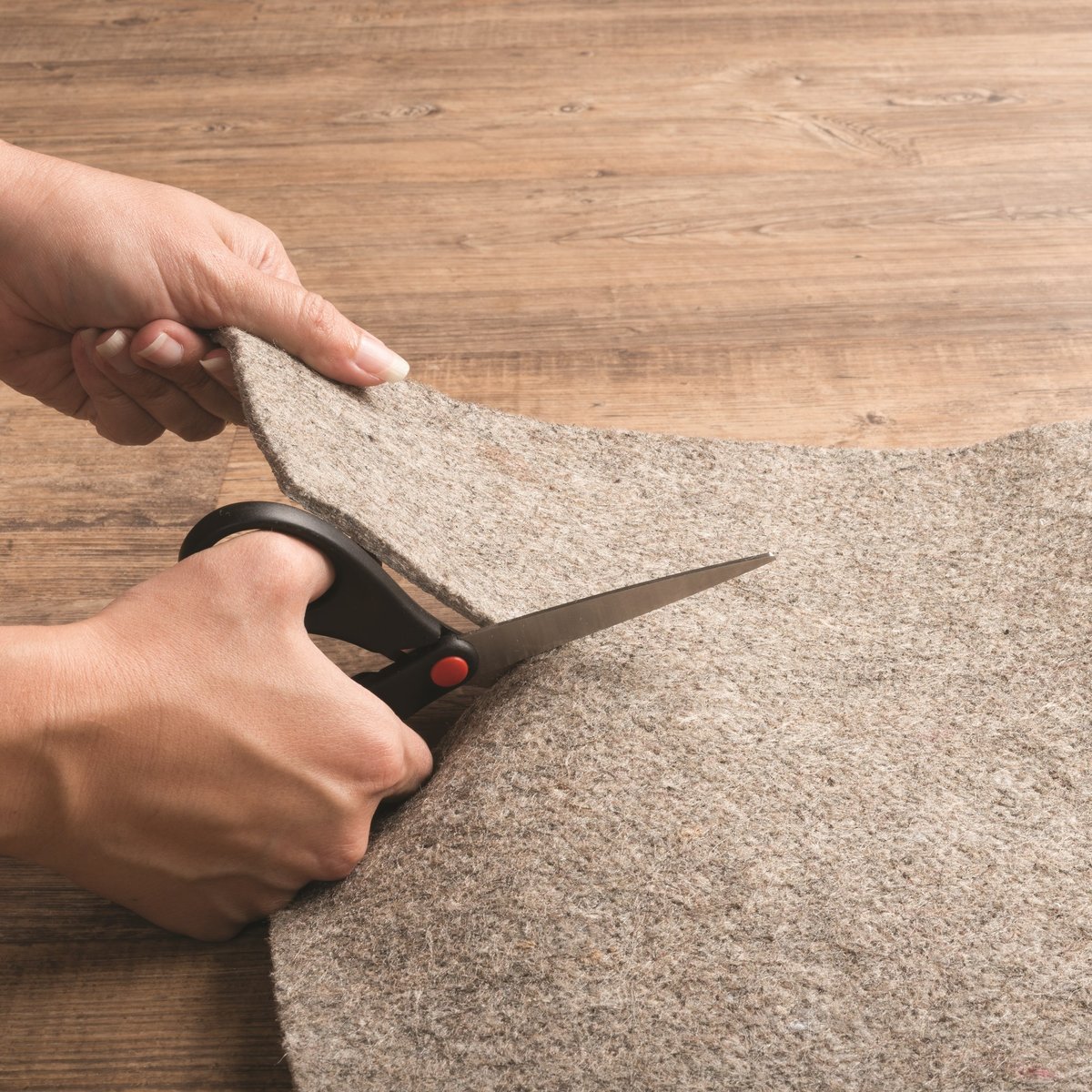
Most rug pads are designed to be trimmed at home. Measure carefully and cut gradually for the best results.
Check out our guide to rug sizes for help answering questions like: What sizes do rugs come in? How do I know what size and shape would look best? There, you'll find a rug size comparison chart for each room to help you decorate.



It’s as easy as adding the Protection Plan - along with the product you want covered - to your cart and checking out!
Once you purchase coverage, you will receive a welcome email, giving you access to your dedicated portal (where you will be able to view your coverage information and file a claim).
Accidental damage coverage begins day 1 of purchase, while defects in materials and workmanship are covered as soon as the 30-day return period expires.
You can file a claim by going to getmulberry.com/login and by logging into your portal. Or you can simply contact the customer support team 24/7 via [email protected].
If damage is beyond repair, Mulberry will replace your product or will reimburse you for your product. If a repair is needed, Mulberry will coordinate technician cleaning or repair. Mulberry will repair your product up to its original retail price.
You are able to cancel your Protection Plan by contacting Mulberry or by logging into your customer portal. Within the first 30 days of purchase, you will receive a full refund.
You can exchange your product for an identical product, without it affecting your warranty purchase. If you exchange your product for a different item, you will need to cancel your existing coverage and purchase a new plan, as coverage is tied to the specific product with which it was purchased.
Currently, coverage is only available in the United States, including Hawaii, Alaska and Puerto Rico.
The Protection Plan does not cover damage that occurs during product delivery, pet damage (other than bodily fluids), odor elimination, intentional abuse of the product, or theft or loss of the product.
Yes. All protection plans are transferable in ownership.


Mulberry is a best-in-class extended warranty provider that works with retailers to provide customers with accidental damage protection on their purchased products.
The Mulberry Protection Plan is a 1- and 5-year extended coverage program that protects against accidental damage to your rug.
Mulberry provides a quick, online claims process and does not require a receipt to file a claim.
Free standard shipping on all orders within the contiguous USA.
Orders to Canada, Alaska, Hawaii and Puerto Rico will incur additional shipping and handling fees, which will be calculated and presented at checkout. Canadian customers will be charged for all applicable customs duties, taxes, and brokerage fees.
For large, oversize rugs that require a surcharge above our shipping and freight partners’ standard shipping rates, an Oversize Processing Fee will be calculated in cart.
Your discount code is on its way.
If you don't receive your promo code, please check your email junk or spam folder and click on "Not spam".