Beautiful rugs, delivered fast + free

Rug Size Guides
Rug corners that curl up are more than a minor annoyance. They disrupt the look of a room, create tripping hazards, and can make even a high-quality rug feel unfinished or poorly placed. Whether the corners are flipping upward, the edges are rippling, or the entire rug refuses to lie flat, the issue is common and fixable.
This guide is a complete, reference-level resource on why rug corners curl and exactly how to fix them, no matter your flooring type, rug material, or room layout. You will learn what causes curling, which tools actually work, how to flatten corners safely, and how to prevent the problem from coming back.
If you want your rug to sit flat, stay put, and look intentional, this guide will walk you through it step by step.
If you want the fastest possible fix, start here.
Most effective solutions
Avoid
If the corners keep curling after one fix, the cause is usually structural, not cosmetic. The sections below explain how to identify and solve the root issue.
Understanding the cause of curling is essential. Fixing the symptom without addressing the root cause often leads to recurring issues.
Many rugs are rolled tightly during shipping. Wool, jute, sisal, and cotton can hold that rolled shape, especially at the corners. The fibers need time, pressure, and sometimes warmth to relax.
Humidity fluctuations can cause fibers to expand and contract. This is especially common with natural materials. Corners lift first because they are the least anchored part of the rug.
A rug placed directly on a slick surface without a pad has nothing holding it down. Corners lift as people walk across it, vacuum it, or shift furniture.
Not all rug pads are interchangeable. A pad designed for hardwood will not perform well on carpet. Using the wrong type can actually make curling worse.
Some rugs are more prone to curling due to their backing or weave. Hand-tufted rugs, flatweaves, and rugs with latex backing behave differently and need tailored solutions.
Different floors require different approaches. Start with the section that matches your space.
Hard surfaces offer no friction, so rug corners lift easily without support.
Rugs on carpet are especially prone to curling because the surface underneath compresses unevenly.
For more detail, see guides on rug pads for carpets and area rugs on carpet that break down pad thickness and materials.
If you already have a pad and the corners still curl, the issue may be pad compatibility or placement.
Sometimes replacing the pad resolves the issue immediately.
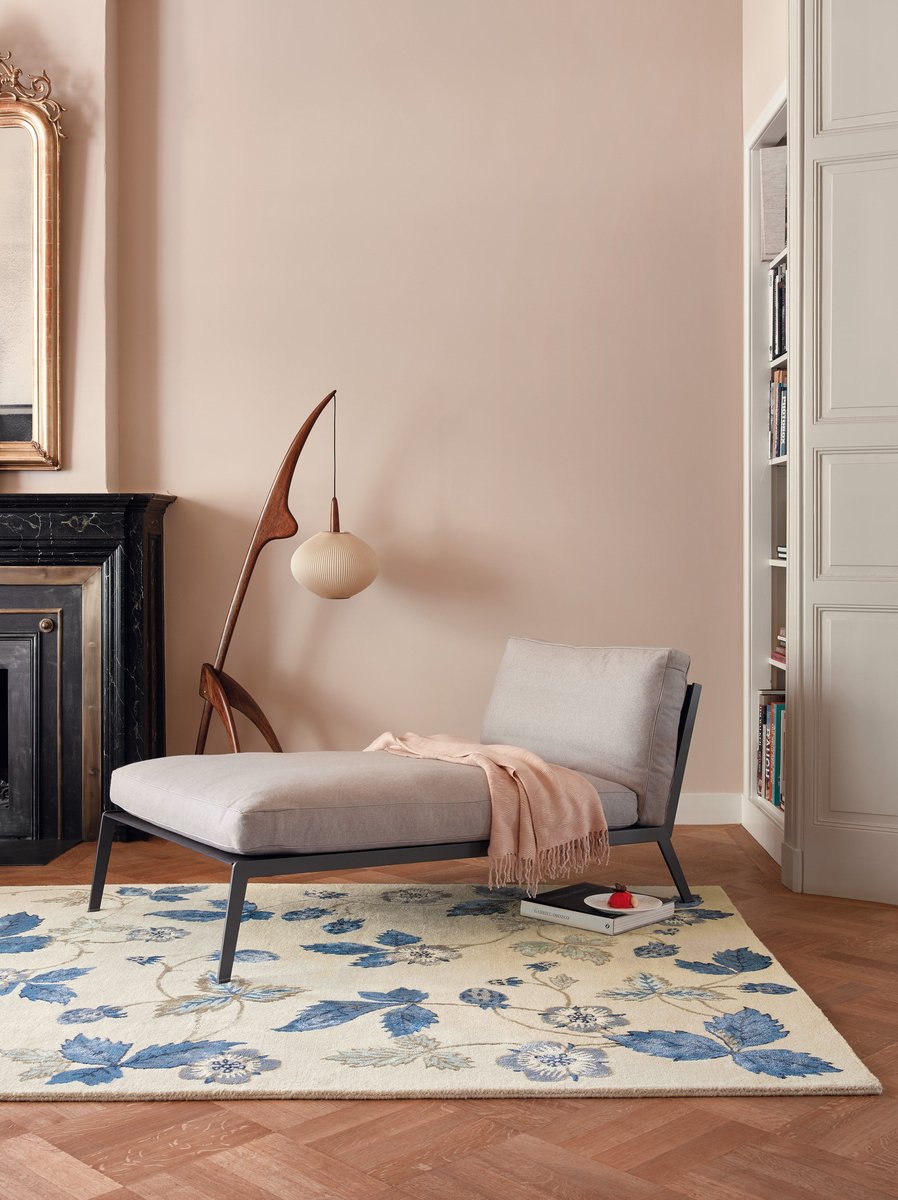
The right tools make the fix easier and longer-lasting.
Rug pads provide friction, cushioning, and structure. Choose based on floor type and rug weight. Thin, grippy pads work best for preventing corner curl.
Use tape made specifically for rugs and floors. Apply it only at corners or edges if full coverage is unnecessary.
Corner grips attach to the underside of the rug and hold it flat without adhesives touching the floor.
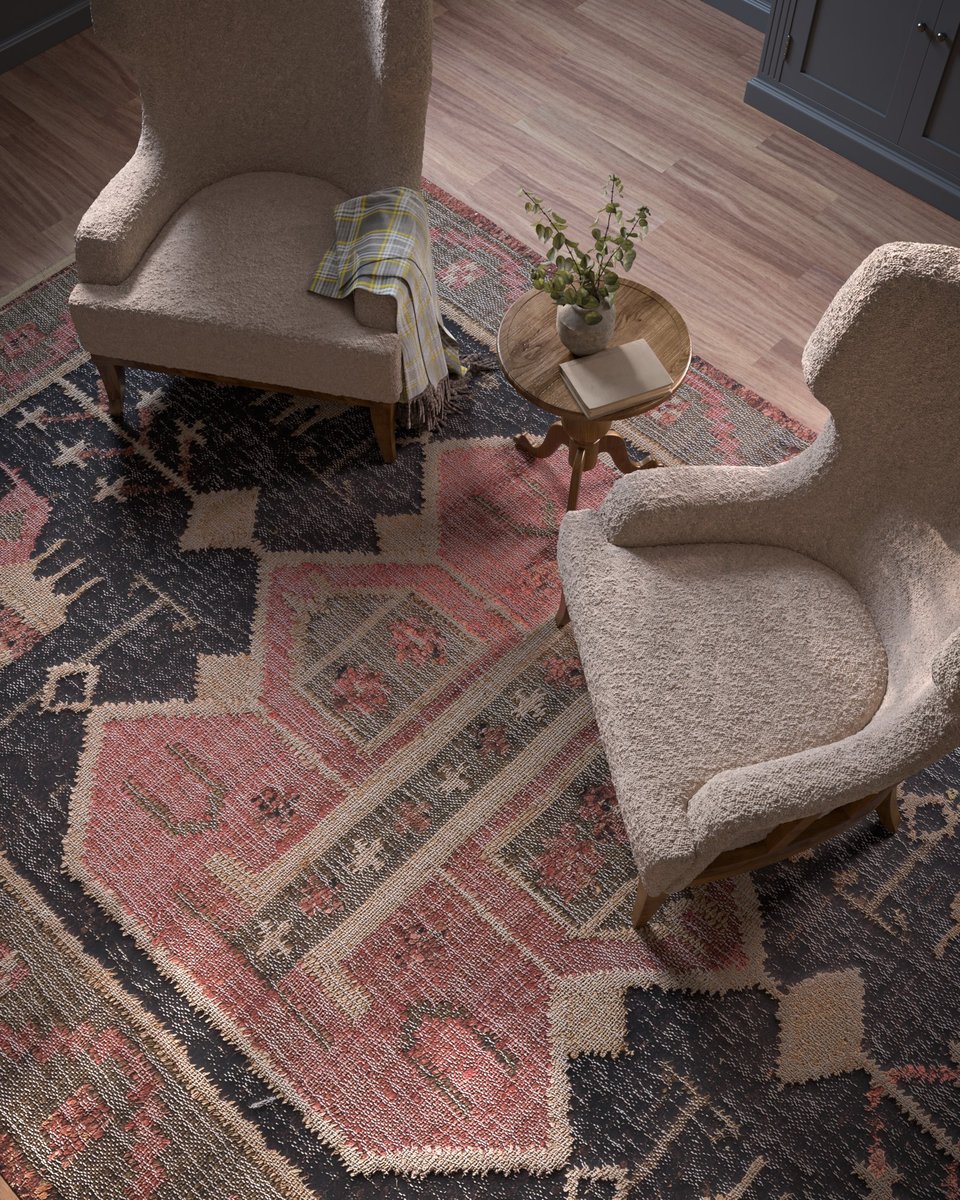
These methods are safe and effective and require minimal tools.
For mild curling, simply placing a heavy object on each corner for a few days can be enough.

Not all rugs behave the same way.
Durable but responsive to humidity. Often benefit from rug pads and light heat.
Stiff fibers can resist flattening. Use corner grips and avoid excess moisture.
Thin construction makes corners easy to lift. A full-coverage pad is often the best fix.
Generally easier to flatten, but may need heat and grip to stay flat long term.
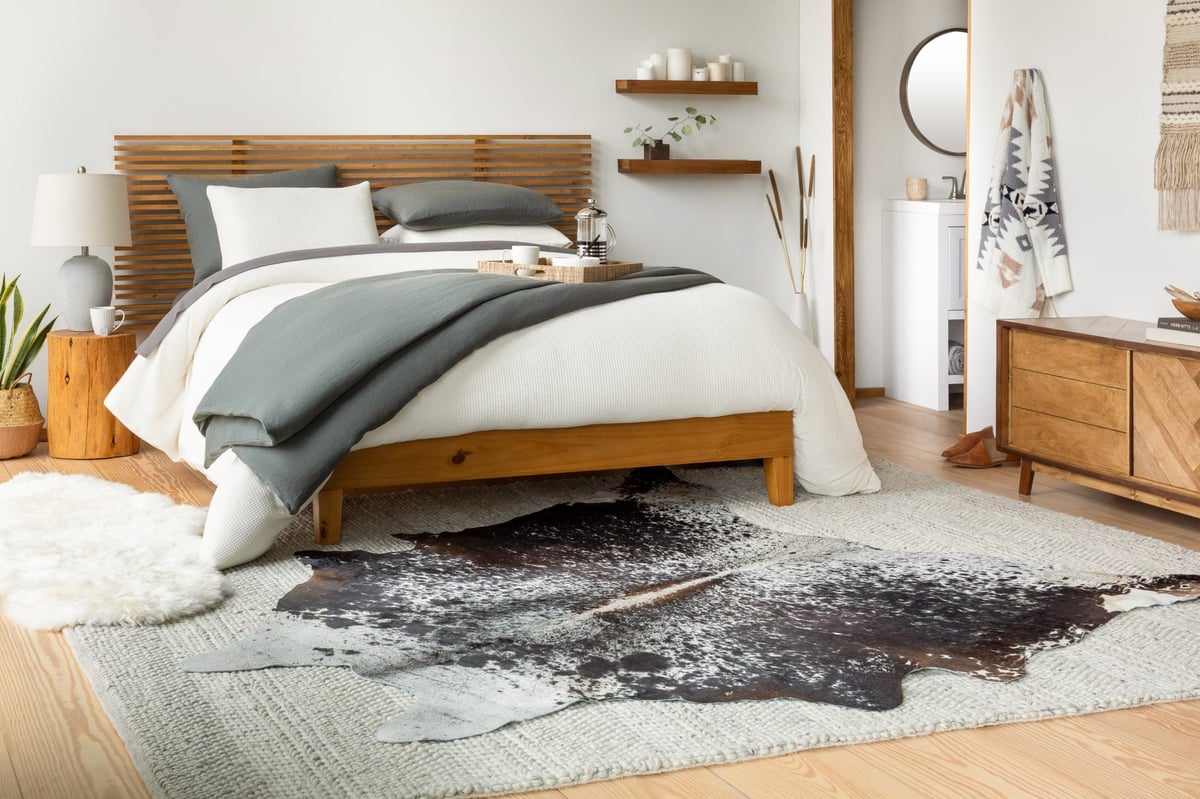
A mismatched pad can cause slipping, bunching, or curling.
Permanent adhesives damage floors and make rugs difficult to reposition.
Rugs that are too small for the space shift more easily, causing corners to lift.
Fixing curl once is good. Preventing it with the right setup is better.


Curling rug corners is a common problem, but it is not something you have to live with. Once you understand why corners lift and match the solution to your flooring type, rug material, and room setup, the fix is straightforward and lasting.
The right rug pad, properly chosen corner support, and a few simple techniques can transform how your rug looks and feels. More importantly, they help your rug stay safe, comfortable, and visually grounded in your space.
If you are still troubleshooting, explore additional resources on how to flatten a rug, carpet rug pads, and area rug placement guides to build a setup that works long-term.
A flat rug is not just about appearance. It is about comfort, safety, and making your space feel finished.
The pad may be the wrong type, too thick, or improperly placed. Pads should be slightly smaller than the rug and matched to the flooring surface.
Most rugs relax within a few days to a couple of weeks. Using weight, heat, or corner grips speeds up the process.
Ironing is not recommended. Direct heat can damage fibers or backing. Use indirect heat with a cloth barrier instead.
Yes. Humidity causes fibers to expand and contract, which often leads to curling at the edges.
Only use rug tape labeled as safe for hardwood and remove it carefully to avoid residue.
Combine the right rug pad, secure corners, and proper placement. Addressing all factors together delivers the longest-lasting results.
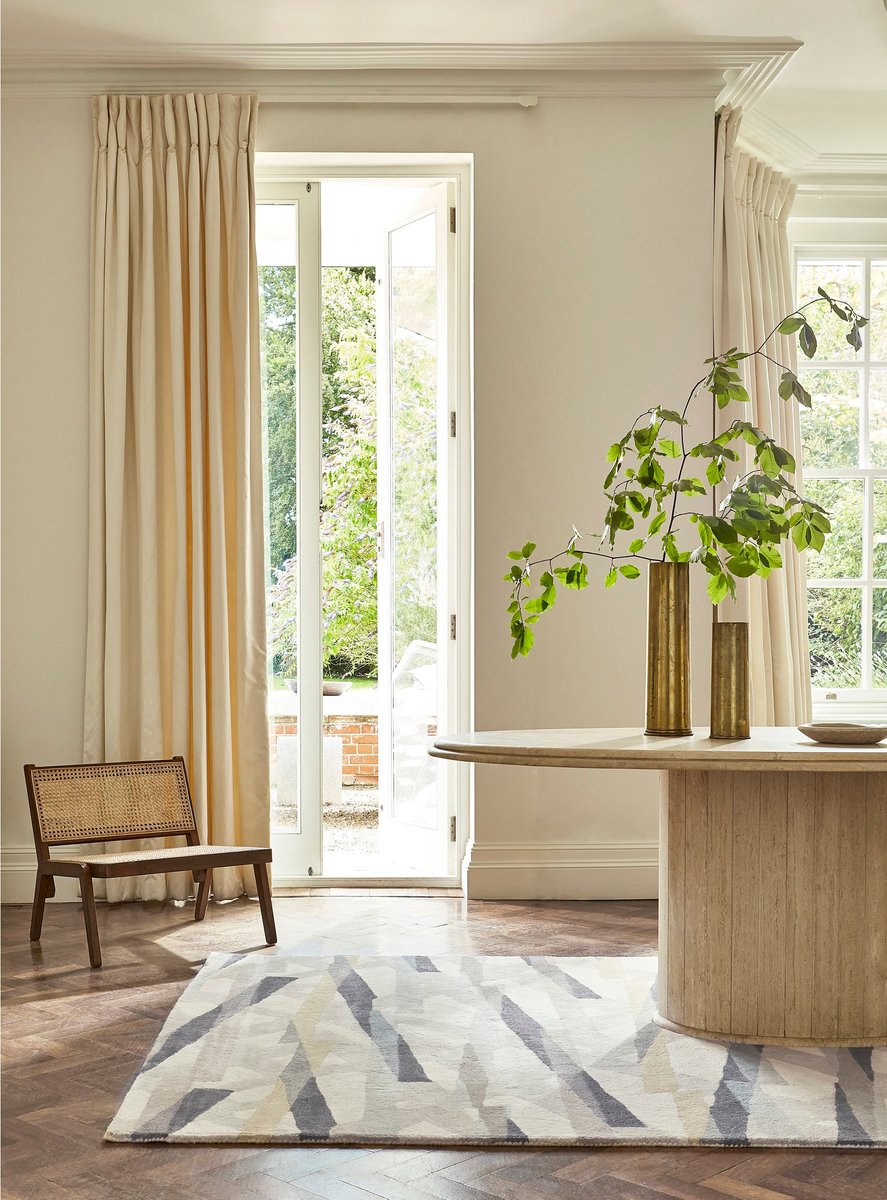
Rugs may naturally curl depending on environmental factors, foot traffic, and by its simple construction, but that doesn’t mean you need to be stuck with a curling rug. The methods described above can repair curled rug edges and keep the rug from curling in the future. With this knowledge in mind, you can purchase and decorate with rugs indoors and out and know that they are safe, beautiful additions to your home.


It’s as easy as adding the Protection Plan - along with the product you want covered - to your cart and checking out!
Once you purchase coverage, you will receive a welcome email, giving you access to your dedicated portal (where you will be able to view your coverage information and file a claim).
Accidental damage coverage begins day 1 of purchase, while defects in materials and workmanship are covered as soon as the 30-day return period expires.
You can file a claim by going to getmulberry.com/login and by logging into your portal. Or you can simply contact the customer support team 24/7 via [email protected].
If damage is beyond repair, Mulberry will replace your product or will reimburse you for your product. If a repair is needed, Mulberry will coordinate technician cleaning or repair. Mulberry will repair your product up to its original retail price.
You are able to cancel your Protection Plan by contacting Mulberry or by logging into your customer portal. Within the first 30 days of purchase, you will receive a full refund.
You can exchange your product for an identical product, without it affecting your warranty purchase. If you exchange your product for a different item, you will need to cancel your existing coverage and purchase a new plan, as coverage is tied to the specific product with which it was purchased.
Currently, coverage is only available in the United States, including Hawaii, Alaska and Puerto Rico.
The Protection Plan does not cover damage that occurs during product delivery, pet damage (other than bodily fluids), odor elimination, intentional abuse of the product, or theft or loss of the product.
Yes. All protection plans are transferable in ownership.


Mulberry is a best-in-class extended warranty provider that works with retailers to provide customers with accidental damage protection on their purchased products.
The Mulberry Protection Plan is a 1- and 5-year extended coverage program that protects against accidental damage to your rug.
Mulberry provides a quick, online claims process and does not require a receipt to file a claim.
Free standard shipping on all orders within the contiguous USA.
Orders to Canada, Alaska, Hawaii and Puerto Rico will incur additional shipping and handling fees, which will be calculated and presented at checkout. Canadian customers will be charged for all applicable customs duties, taxes, and brokerage fees.
For large, oversize rugs that require a surcharge above our shipping and freight partners’ standard shipping rates, an Oversize Processing Fee will be calculated in cart.

Your discount code is on its way.
If you don't receive your promo code, please check your email junk or spam folder and click on "Not spam".