Beautiful rugs, delivered fast + free

Ideas & Advice
You've created beautiful spaces before, but this time feels different. Your client wants something that no one else has—a room that tells a story, not just follows trends. You know that special pieces make all the difference between a nice room and an unforgettable one.Finding unique décor isn't just about having a bigger budget. It's about knowing where to look, what questions to ask, and how to spot quality pieces that will become conversation starters for years to come. Whether you're hunting for a vintage Persian rug or a handcrafted coffee table, the right approach can transform any project from ordinary to extraordinary.

Mass-produced furniture fills a room, but unique pieces fill it with character. When you walk into a space furnished entirely with catalog items, everything feels predictable. Add one carefully chosen vintage rug or artisan-made accent piece, and suddenly the entire room has a story.
Your clients hire you because they want spaces that reflect who they are. A one-of-a-kind piece becomes the anchor that makes everything else feel intentional rather than coordinated.
Quality unique pieces often hold or increase their value over time. A hand-knotted vintage rug from the 1960s or a mid-century modern credenza from a respected designer becomes more valuable as years pass. Your clients aren't just buying furniture—they're making investments.
These pieces also tend to last longer than mass-produced items. Artisans and manufacturers from previous eras often used superior materials and construction methods that result in furniture built to last decades, not years.
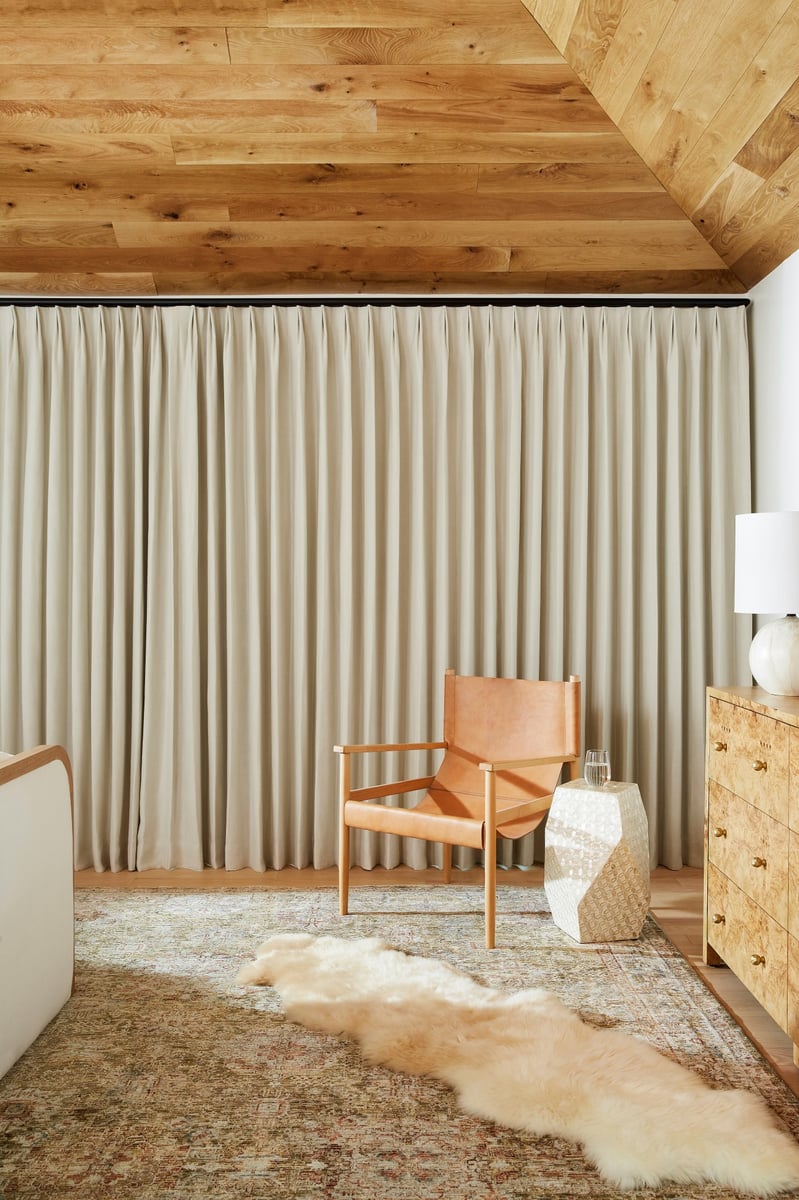
Estate sales offer some of the best opportunities for finding unique pieces at reasonable prices. These sales happen when families need to liquidate entire households, often including decades of carefully collected items.
Best practices for estate sales:
What to look for:
Auction houses regularly feature everything from single-owner collections to designer estate sales. While prices can be unpredictable, auctions often provide access to pieces you won't find anywhere else.
Types of auctions to explore:
Auction tips:
Digital platforms have revolutionized unique furniture sourcing, giving you access to pieces from around the world without leaving your office.
1stDibs This platform specializes in authenticated vintage and antique pieces from reputable dealers. Prices reflect the curation and authentication, but quality is consistently high.
Chairish Offers a mix of vintage and contemporary unique pieces at various price points. The platform provides detailed condition reports and often includes original designer information.
Etsy Beyond crafts, Etsy hosts thousands of vintage furniture dealers and artisans creating custom pieces. The search functionality helps you find specific styles or eras.
Facebook Marketplace and Craigslist Don't overlook local online marketplaces. You'll find everything from genuine vintage pieces to unique handmade items at prices that allow for negotiation.
Finding Local Craftspeople:
Benefits of working with artisans:
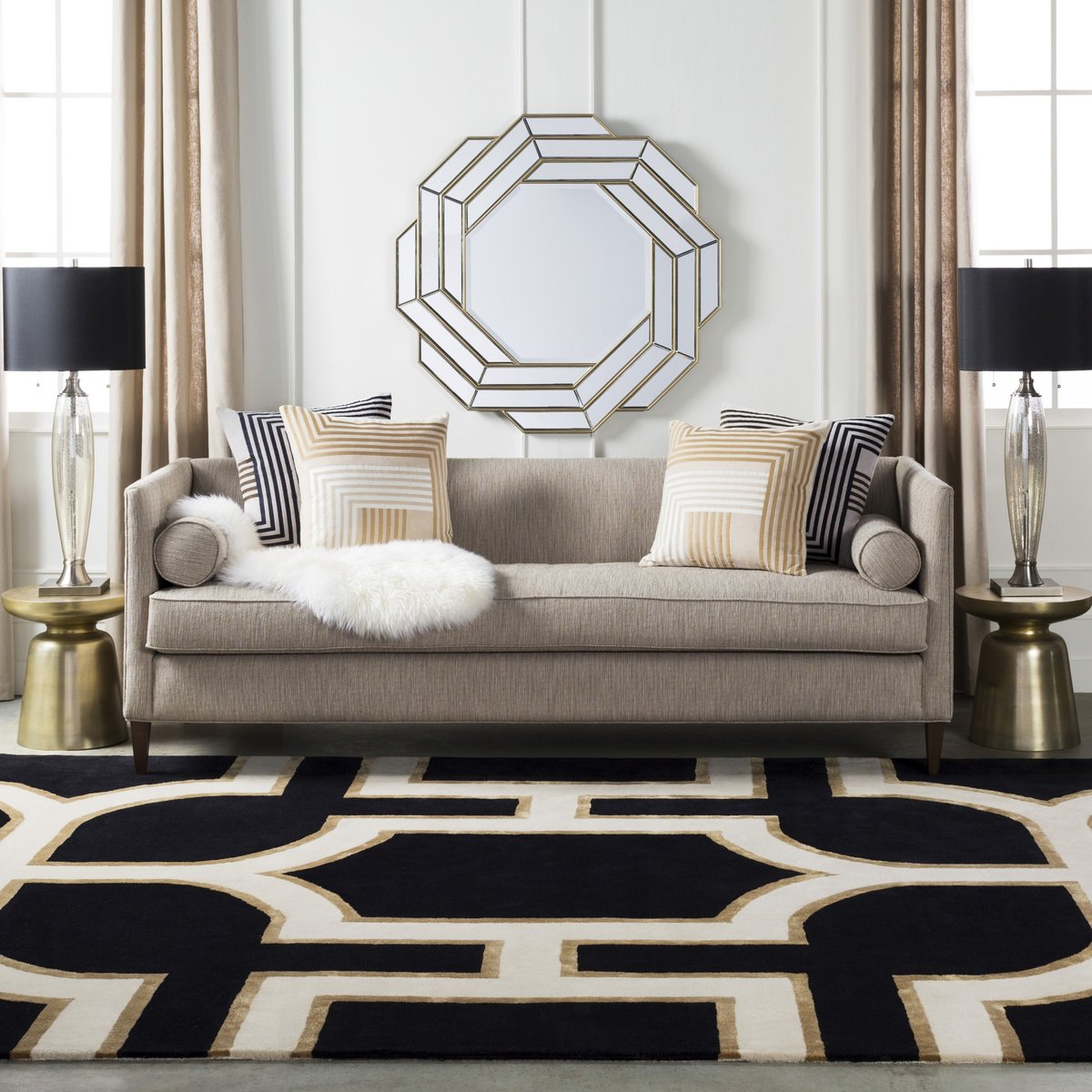
Round Top Antiques Fair, Texas One of the largest antique events in the country, featuring hundreds of dealers and unique finds you won't see elsewhere.
Estate sale season begins Families often schedule estate sales in spring as they prepare for moves or downsizing.
Brimfield Antique Show, Massachusetts Three times per year, this massive outdoor market attracts dealers and collectors from across the country.
Local antique shop restocking Summer travel means dealers are finding new inventory for fall sales.
Peak estate sale season The highest volume of estate sales typically occurs in fall as families settle after summer moves.
Holiday craft fairs Perfect time to connect with local artisans and commission custom pieces for upcoming projects.
Online sourcing focus Weather limitations make this ideal for online research and building relationships with distant dealers.
Planning and budgeting season Use quieter months to research upcoming sales and plan sourcing strategies for the year ahead.
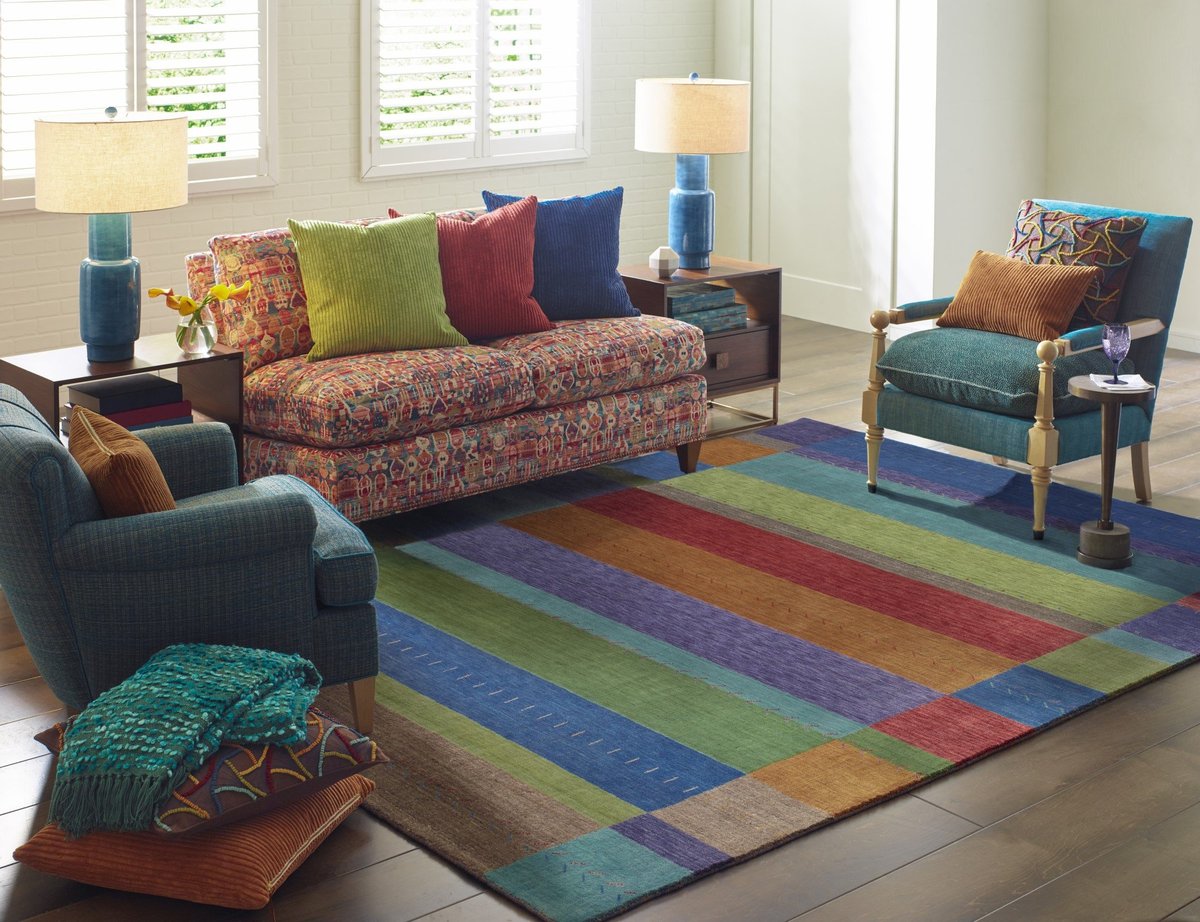
When you're investing in unique pieces, ask the right questions to avoid costly mistakes:
Construction concerns:
Authenticity issues:
For significant investments, consider hiring professionals:
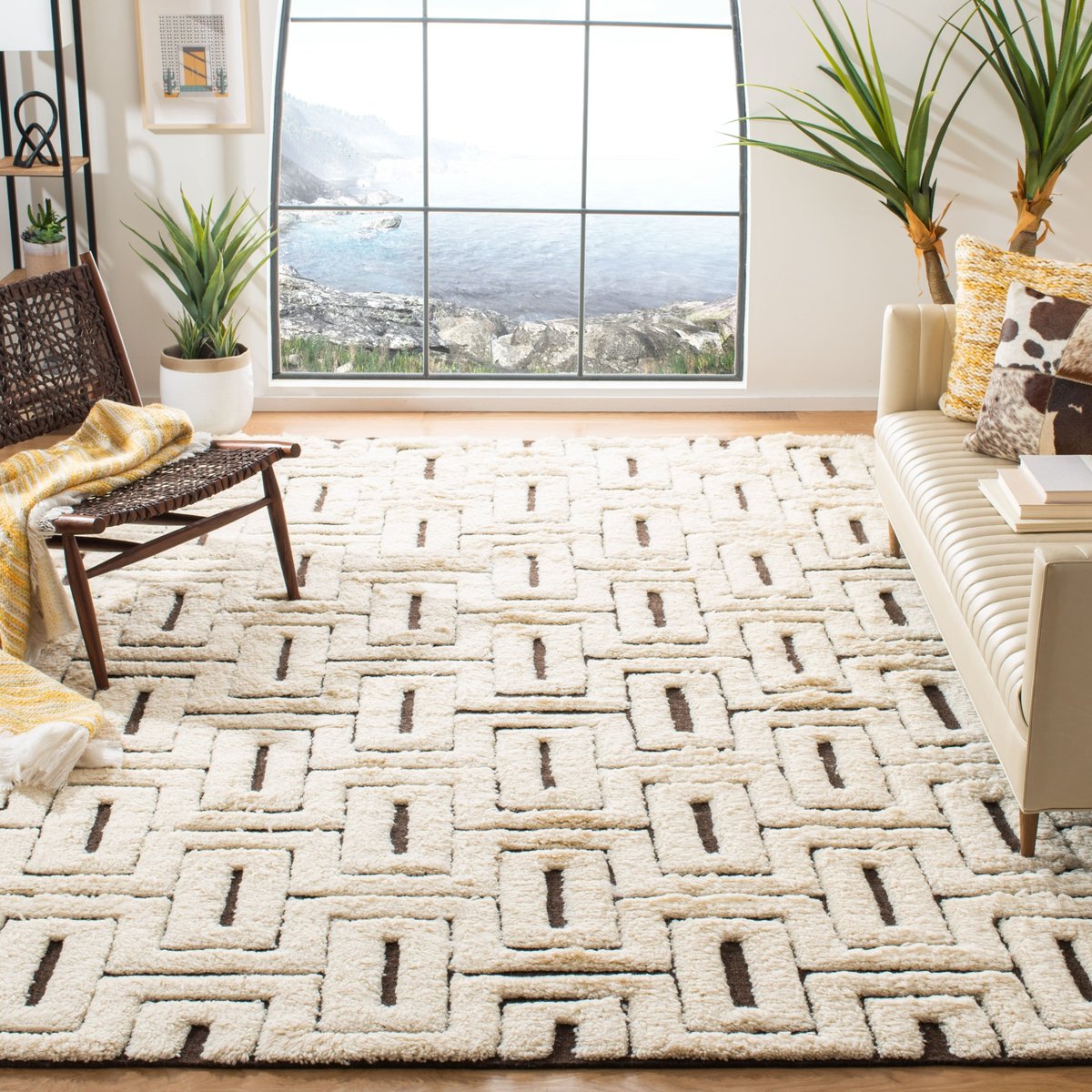
While unique pieces create drama and interest, you can't furnish entire rooms with vintage finds. The key is knowing when to invest in special pieces and when to rely on quality retailers.
Use unique pieces for:
Rely on quality retailers for:
When your unique sourcing focuses on furniture and art, you still need reliable partners for foundational pieces like rugs. Quality retailers offer advantages that complement your unique finds:
Consistent availability means you can confidently specify pieces knowing they'll be in stock when you need them.
Professional services like visualization tools help you plan how vintage furniture will work with new rugs before making commitments.
Return policies provide security when you're taking creative risks with unique combinations.
Expert guidance helps you select pieces that will complement rather than compete with your special finds.
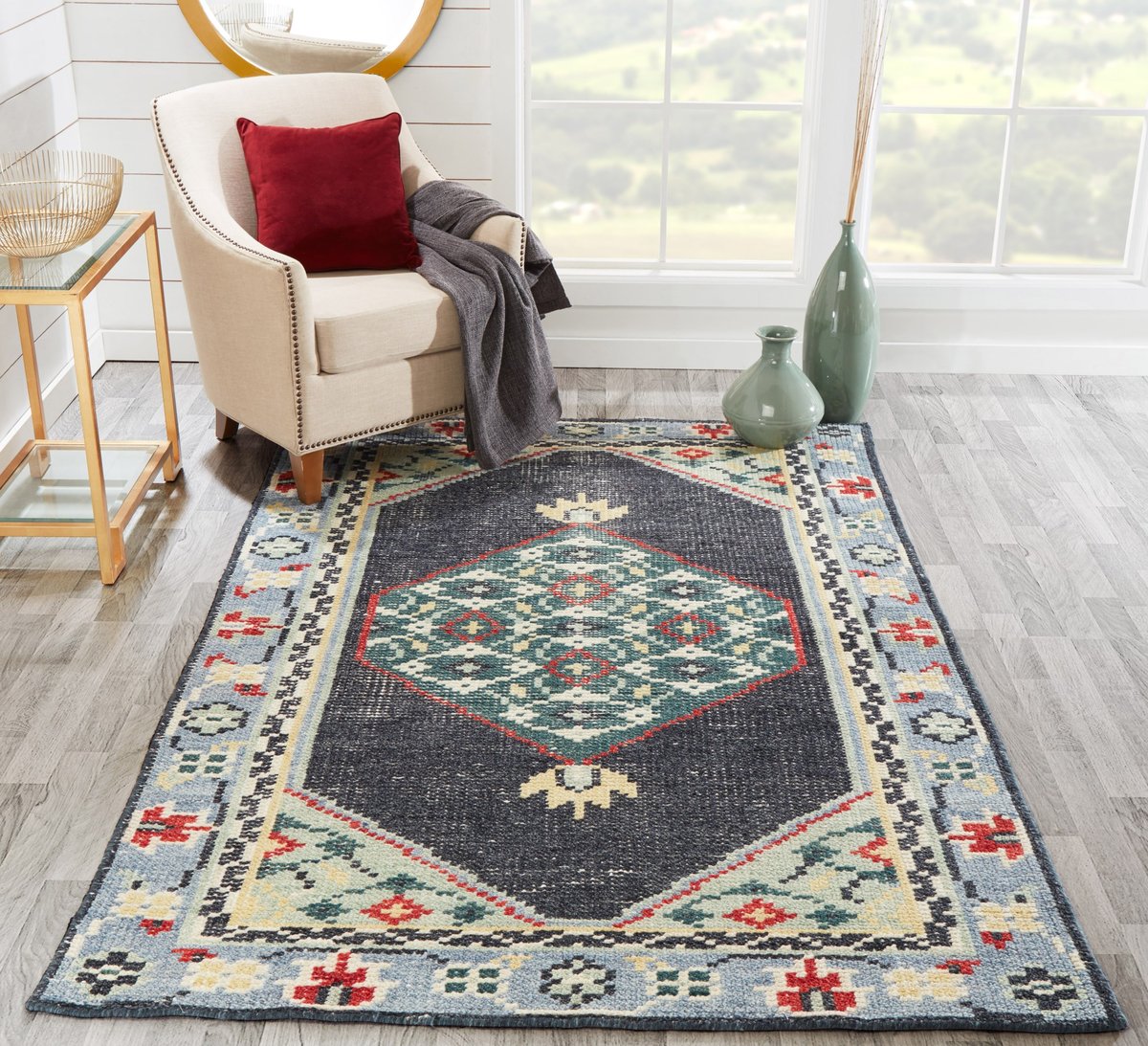
The 70-20-10 Rule:
Project-specific considerations:
Transportation and logistics:
Restoration and preparation:
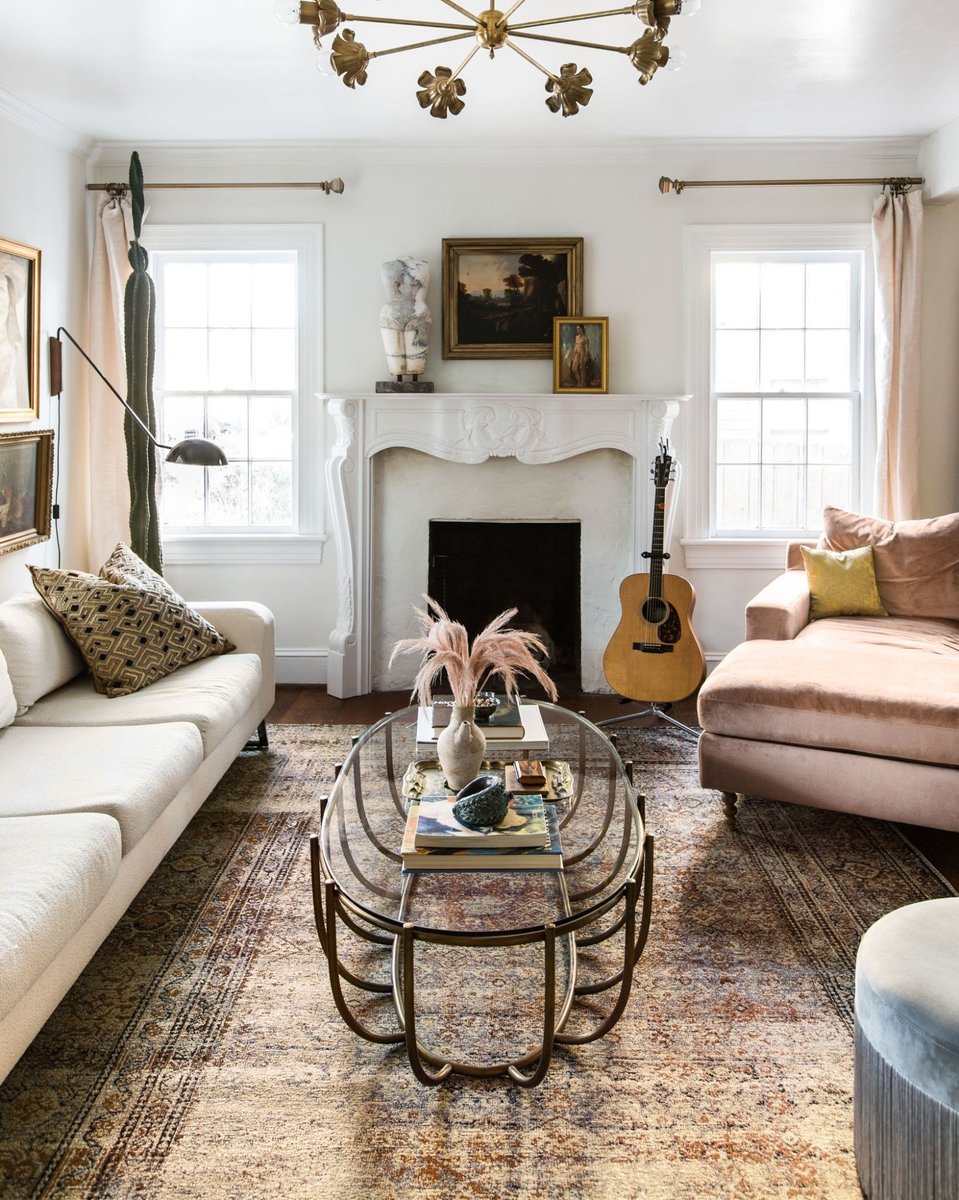
Antique dealers who know your style preferences will call when appropriate pieces arrive.
Auction house specialists can provide preview access and bidding guidance.
Estate sale companies often work with repeat customers by providing early notification of upcoming sales.
Join organizations that connect you with other design professionals:
Your best clients often know other collectors or have friends with similar tastes. Building these relationships creates opportunities for private sales and exclusive access to pieces before they reach public markets.

As families prepare for summer moves, estate sales increase. This is prime time for finding pieces that have been in homes for decades.
Spring priorities:
Use travel time to explore antique districts in other cities. Every region has different styles and price points based on local history and preferences.
Summer sourcing locations:
The highest volume of estate sales occurs in fall as families settle after summer relocations.
Fall advantages:
Use slower months for relationship building and project planning.
Winter activities:

Clients need to understand that unique sourcing takes time and patience. Unlike ordering from a catalog, finding the perfect vintage rug or artisan-made cabinet requires flexibility and trust.
Communication strategies:
Many clients enjoy being part of the sourcing process when they understand the value.
Client involvement options:
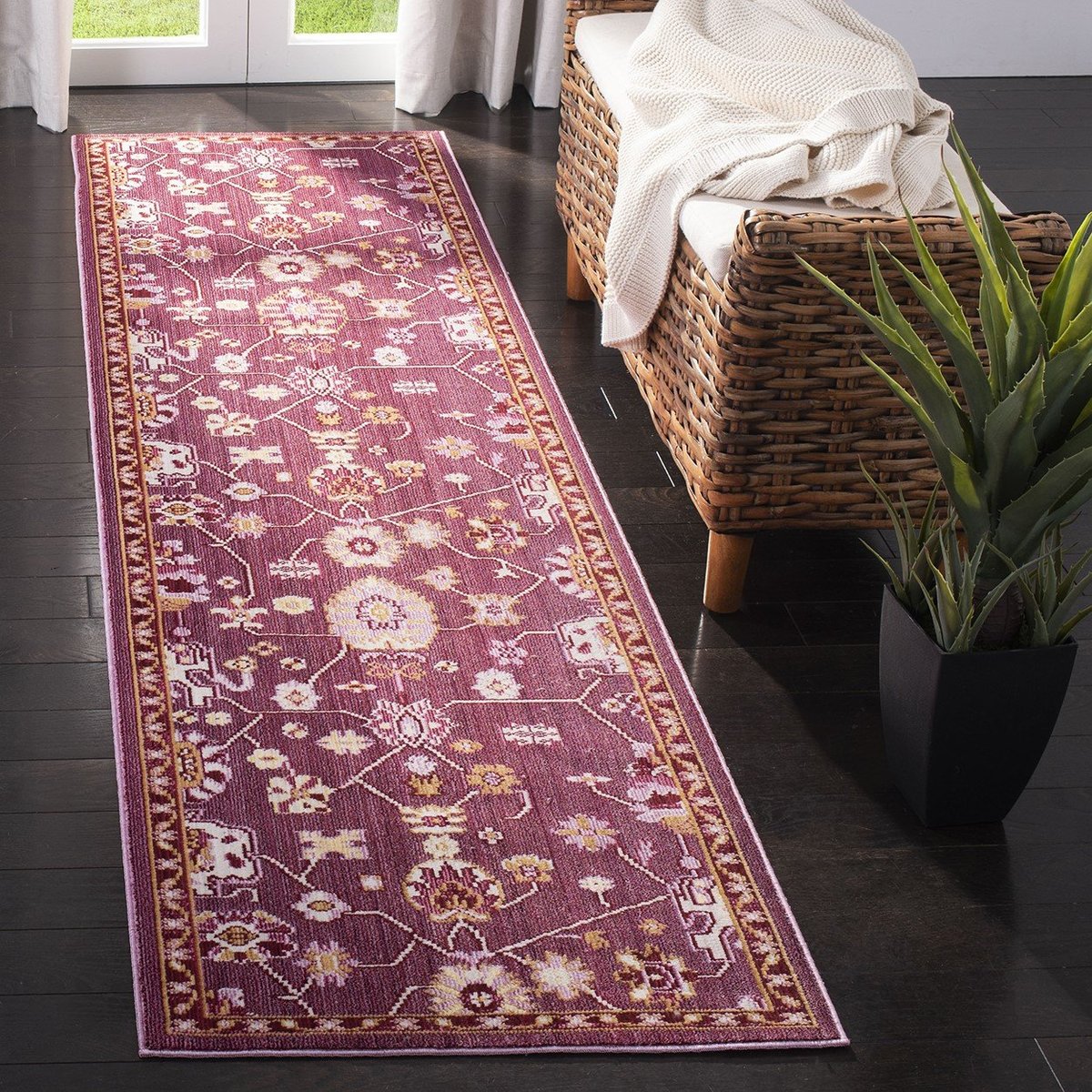
Every unique piece needs evaluation before placement in your client's home.
Assessment checklist:
Help clients understand how to maintain their unique pieces:
For vintage furniture:
For vintage textiles and rugs:

Design history courses help you recognize valuable pieces and understand their context.
Antique authentication workshops teach you to spot quality construction and identify periods.
Artisan studio visits provide insight into construction techniques and design possibilities.
Trade publications keep you current on market trends and pricing.
Auction house previews offer hands-on learning about quality and authentication.
Design center events connect you with other professionals who share sourcing knowledge.
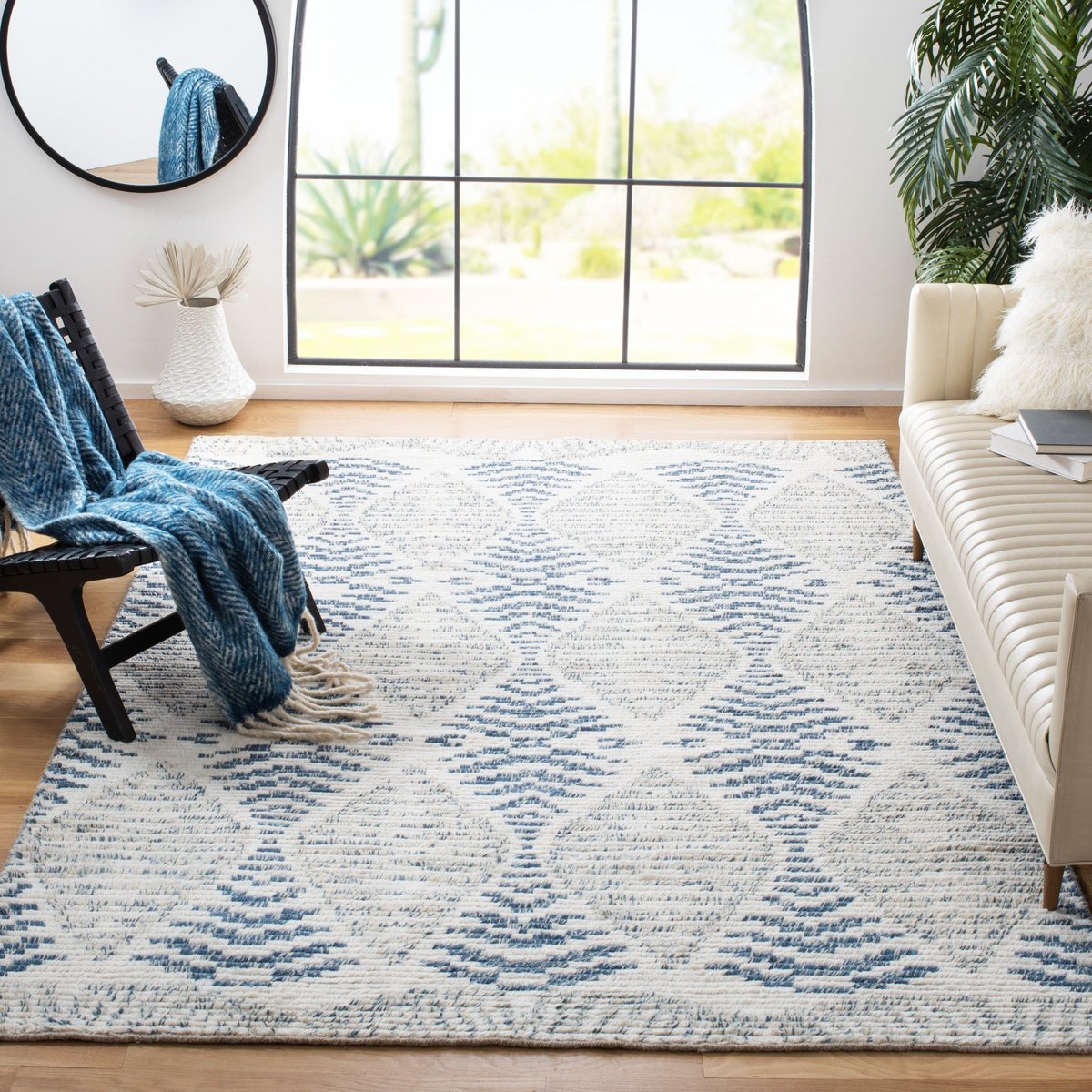
Evaluate your recent projects:
Choose focus areas based on:
Create a systematic approach:
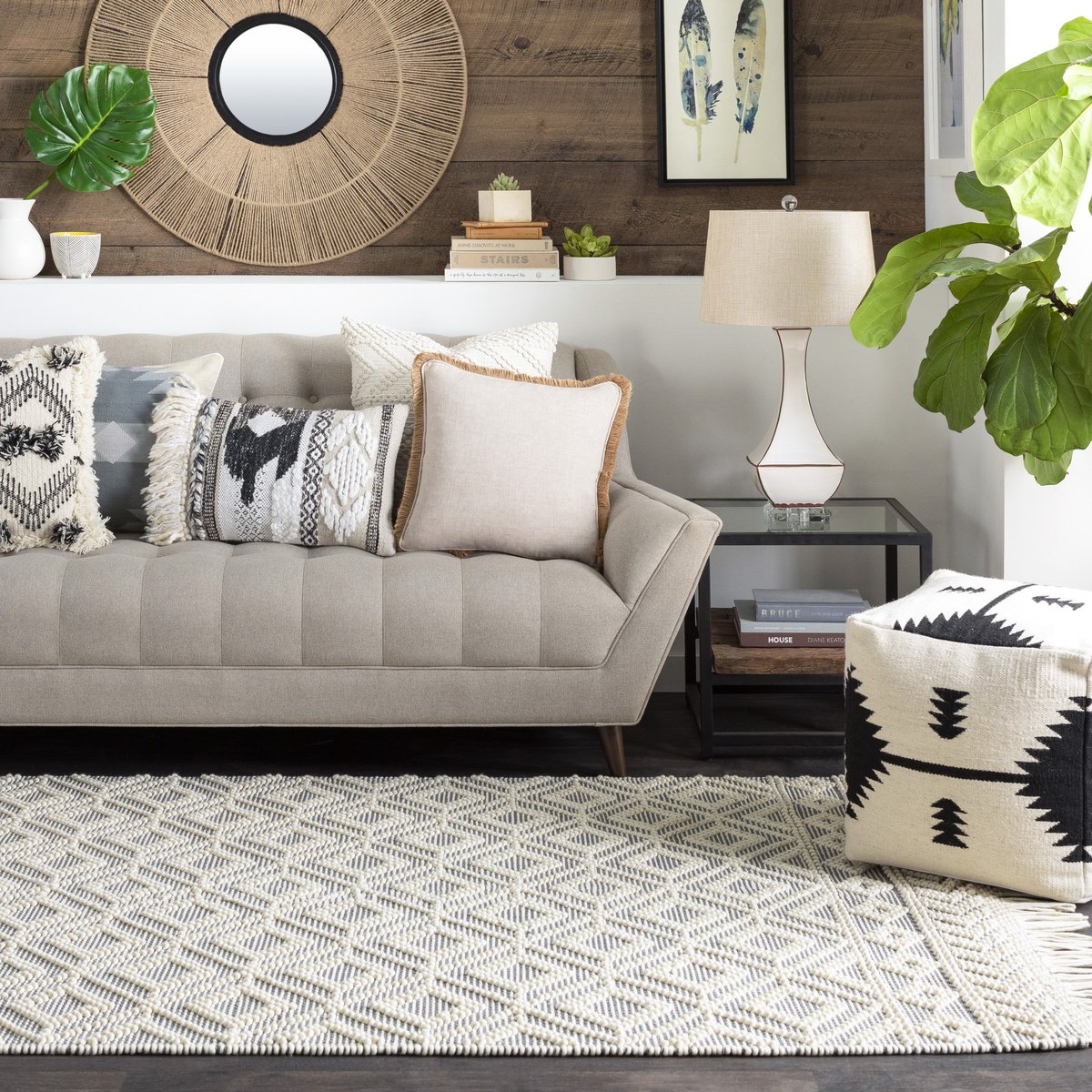
Creating rooms with unique character starts with a single special piece. Whether it's a hand-knotted vintage rug that anchors your living room design or a custom artisan table that becomes your dining room's conversation starter, each unique find brings you closer to spaces that truly reflect your vision.
Begin your unique sourcing journey:
Remember that successful unique sourcing takes time to develop. Start with pieces that excite you, and gradually build the network of sources and expertise that will set your projects apart.
Ready to find that perfect piece that will transform your next project? Whether you're hunting for vintage treasures or commissioning custom creations, the right approach turns sourcing into one of the most rewarding parts of design work.
For reliable foundational pieces that complement your unique finds, explore our curated collections and use our room visualization tools to plan how special pieces will work in your spaces. Our rug quiz helps identify styles that enhance your vintage finds, while our expert guidance ensures every piece works together to create unforgettable rooms that match your clients' dreams.



It’s as easy as adding the Protection Plan - along with the product you want covered - to your cart and checking out!
Once you purchase coverage, you will receive a welcome email, giving you access to your dedicated portal (where you will be able to view your coverage information and file a claim).
Accidental damage coverage begins day 1 of purchase, while defects in materials and workmanship are covered as soon as the 30-day return period expires.
You can file a claim by going to getmulberry.com/login and by logging into your portal. Or you can simply contact the customer support team 24/7 via [email protected].
If damage is beyond repair, Mulberry will replace your product or will reimburse you for your product. If a repair is needed, Mulberry will coordinate technician cleaning or repair. Mulberry will repair your product up to its original retail price.
You are able to cancel your Protection Plan by contacting Mulberry or by logging into your customer portal. Within the first 30 days of purchase, you will receive a full refund.
You can exchange your product for an identical product, without it affecting your warranty purchase. If you exchange your product for a different item, you will need to cancel your existing coverage and purchase a new plan, as coverage is tied to the specific product with which it was purchased.
Currently, coverage is only available in the United States, including Hawaii, Alaska and Puerto Rico.
The Protection Plan does not cover damage that occurs during product delivery, pet damage (other than bodily fluids), odor elimination, intentional abuse of the product, or theft or loss of the product.
Yes. All protection plans are transferable in ownership.


Mulberry is a best-in-class extended warranty provider that works with retailers to provide customers with accidental damage protection on their purchased products.
The Mulberry Protection Plan is a 1- and 5-year extended coverage program that protects against accidental damage to your rug.
Mulberry provides a quick, online claims process and does not require a receipt to file a claim.
Free standard shipping on all orders within the contiguous USA.
Orders to Canada, Alaska, Hawaii and Puerto Rico will incur additional shipping and handling fees, which will be calculated and presented at checkout. Canadian customers will be charged for all applicable customs duties, taxes, and brokerage fees.
For large, oversize rugs that require a surcharge above our shipping and freight partners’ standard shipping rates, an Oversize Processing Fee will be calculated in cart.
Your discount code is on its way.
If you don't receive your promo code, please check your email junk or spam folder and click on "Not spam".