
Beautiful rugs, delivered fast + free

Rug Guides
For many, the mention of shag rugs tends to bring up a very specific image - thick, retro carpets from the 1970s that looked great at the time, but felt like a commitment to maintain. Today’s shag rugs are changing that perception because they promise a completely different experience. They still deliver that same softness and depth we all know and love, but they’ve been redesigned with modern materials and construction methods that make them far more practical for everyday homes.
If you’ve been curious about whether shag rugs are worth revisiting, or hesitant because of cleaning and shedding concerns, you’re not alone. In this guide, we’ll break down what defines today’s shag rugs, how they’ve improved, what to expect with maintenance, and how to decide if they’re the right fit for your space.
Shag rugs are making a strong comeback, but it’s not just for nostalgic reasons. One of the biggest shifts in interior design right now is the emphasis on texture. As spaces have leaned more minimalist and people gravitate toward clean lines, neutral palettes, and materials like wood, stone, and metal, there has been a growing need to soften those elements and make rooms feel more livable. That’s where shag rugs come in. Their plush, high-pile texture adds an immediate sense of tactile softness, warmth, and contrast to help balance out spaces that might otherwise come across a little flat or rigid.
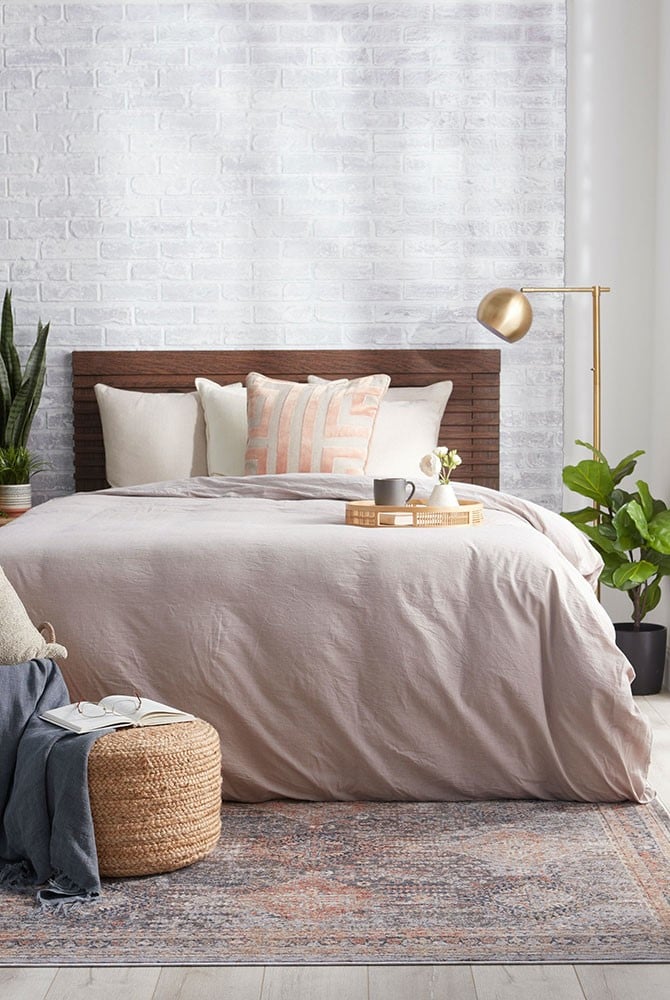
They’re especially effective in rooms designed for comfort. Shag bedroom rugs create a soft landing that makes the space feel more inviting from the moment you step out of bed. Shag living room rugs help define seating areas while adding a relaxed, layered ambiance that works just as well in modern spaces as it does in more traditional ones. Even smaller areas like reading corners or quiet nooks benefit from the added softness of a high-pile area rug because they instantly make the space feel more cozy and intentional.
Today’s top rug manufacturers have addressed many of the reservations of yesterday’s shag rugs. That drives modern enthusiasm for them. Improved materials and manufacturing techniques have made it easier to find options that resist shedding, hold their shape, and require less intensive upkeep. That shift has made shag rugs much more accessible as both a design statement and a practical choice for everyday living. It’s no longer about recreating a retro look. Instead, designers and decorators texture in a way that’s current, comfortable, and easy to maintain.

At its core, a shag rug is defined by its long pile height, which means the fibers extend significantly higher than those of standard low- or medium-pile rugs. This extended pile is what gives shag rugs their signature plushness and creates a soft, cushioned surface that feels noticeably cozy underfoot. While pile height can vary, shag rugs typically range from about one inch to over two inches, with higher piles offering a more dramatic, sink-in texture.
That added height impacts more than comfort. It changes how the rug performs in a space. Thicker piles tend to feel warmer and more insulating, making them especially appealing in bedrooms and lounging areas. At the same time, higher pile rugs can require a bit more attention when it comes to maintenance, since debris can settle deeper into the fibers. Modern shag rugs are made from a range of materials, including wool, polyester, polypropylene, and blends, each offering a slightly different balance of softness, durability, and ease of care.
Together, these details define the overall experience of a shag rug, from its visual depth to the way it feels and functions within a space.
Vintage shag rugs made this style a household name, but they’re also the reason some hesitation still exists today. Older versions were often made with materials and construction methods that led to heavy shedding, matting, and difficult cleaning routines. While they delivered on softness, they weren’t always designed with long-term practicality in mind, especially for busy households.
Modern shag rugs take everything people loved about those earlier designs and improve upon it. Advances in fiber technology have made a noticeable difference, particularly with synthetic materials like polypropylene and polyester. These fibers are engineered to shed less, resist flattening, and bounce back more easily after being walked on. While they’re still prone to some initial shedding, even wool shag rugs are often constructed more tightly today to help reduce fiber loss over time.
Maintenance has improved over time as well. Many modern shag rugs are designed to be more vacuum-friendly, which means you can clean them regularly without damaging the fibers or pulling them loose. This makes a big difference in day-to-day upkeep compared to vintage options that famously required more delicate handling.
The result is a new and improved version of shag that feels familiar in all the right ways — soft, textured, and inviting — without the drawbacks that once made it seem high-maintenance. Instead of being a purely aesthetic choice, modern shag rugs are designed to fit into contemporary homes where comfort and practicality need to go hand in hand.

Shedding is one of the most common concerns people have about shag rugs, and it’s worth addressing directly. The short answer is yes. Like many other rug types, some shedding is normal, especially when a rug is new. This is particularly true for natural fiber rugs like wool, where loose fibers from the manufacturing process may work their way to the surface during the first few weeks or months of use.
That said, not all shag rugs shed at the same level. Synthetic options like polypropylene or polyester tend to shed significantly less than wool. These hard-wearing materials are designed to hold their structure more tightly, which helps minimize fiber loss over time. Even with wool shag rugs, shedding usually decreases as the rug settles. It’s often a temporary phase rather than a long-term issue.
The good news is that it’s fairly simple to manage shedding and make it less noticeable. Regular vacuuming helps remove loose fibers before they accumulate, but it’s best to use suction-only settings or a vacuum without a beater bar to avoid pulling at the pile. Rotating the rug occasionally can also help distribute wear more evenly and prevent certain areas from shedding more than others. In most cases, shedding becomes much less noticeable within the first few months, thanks to proper maintenance and the natural settling process.
Caring for a shag rug is often simpler than people expect, especially with modern designs that are built to handle regular use. Routine maintenance starts with vacuuming, which helps keep dirt and debris from settling deep into the fibers. Using a vacuum with strong suction is typically the best approach, as it lifts debris without damaging the pile. Just steer clear of aggressive brush attachments. For some rugs, you may even find that vacuuming from different angles helps reach deeper into the fibers.
Quick action makes a big difference in stain prevention, too. Blotting the affected area with a clean cloth helps absorb liquid before it has a chance to settle into the pile. Avoid rubbing, which can push the spill further into the fibers or cause matting. For deeper cleaning, your approach should depend on the material. Synthetic shag rugs often tolerate spot cleaning solutions well, while wool rugs may benefit from more specialized care to maintain their texture and appearance.
Over time, a more thorough cleaning may be needed, particularly for larger rugs or those placed in high-use areas. In those cases, professional cleaning can be a worthwhile option, as it allows for a deeper clean without risking damage to the fibers. The key takeaway is that maintenance isn’t as complicated as it might seem. Focus on consistency over complexity. With the right routine, a shag rug can stay soft, clean, and visually appealing without requiring constant effort.
Certain spaces naturally lend themselves to the softness and texture that shag rugs bring.

As versatile as shag rugs are, there are certain spaces where they tend to be less practical.
The best shag rug for your space comes down to a combination of practical and design-focused considerations.
Shag rugs have found their way back into modern interiors because they offer something many spaces are missing: softness, texture, and a sense of comfort that feels intentional rather than decorative. With improved materials and construction, they’ve evolved into a style that doesn’t just look beautiful, but also fits into everyday life easily. The combination of lower-shed fibers, enhanced durability, and more manageable maintenance has made them a realistic option for a much wider range of homes.
When you take all of this into account, choosing a shag rug becomes less about hesitation and more about knowing what works for your space. By considering how the rug will be used, what level of maintenance you’re comfortable with, and which materials align with your lifestyle, you can make a choice that feels both practical and personal. If you’re ready to explore the updated take on this classic style, browse the shag rugs collection at Rugs Direct to find options that bring comfort, texture, and an inviting, yet modern edge into your home.
Shag rugs aren’t as difficult to clean as you might think, especially with modern materials. Regular vacuuming with the right settings and quick attention to spills go a long way in keeping them looking fresh. While they may require a bit more care than low-pile rugs, the routine itself is easy to incorporate into your cleaning routine.
Shedding varies depending on the material, but it’s usually most noticeable when the rug is new. Wool shag rugs tend to shed more at first, while synthetic options are designed to minimize that issue. In most cases, shedding decreases over time as loose fibers are removed through regular use and cleaning. If shedding is a concern for you, choosing the right material can make a significant difference.
Shag rugs can work very well in living rooms, especially when the goal is to create a more relaxed and comfortable environment. They help soften the look of structured furniture and add a layer of texture that makes the space more inviting. The key is choosing a version that balances softness with durability, particularly if the room sees regular use. Placement also matters, as anchoring the rug under furniture helps it feel more intentional.
Shag rugs tend to perform best in spaces where comfort is a priority, such as bedrooms, living rooms, and cozy reading areas. These environments benefit from the added softness and warmth that high-pile rugs provide. They’re also a great fit for spaces where you want to create a more relaxed, layered look. Rooms with lighter foot traffic or a focus on lounging are typically the most natural match.


It’s as easy as adding the Protection Plan - along with the product you want covered - to your cart and checking out!
Once you purchase coverage, you will receive a welcome email, giving you access to your dedicated portal (where you will be able to view your coverage information and file a claim).
Accidental damage coverage begins day 1 of purchase, while defects in materials and workmanship are covered as soon as the 30-day return period expires.
You can file a claim by going to getmulberry.com/login and by logging into your portal. Or you can simply contact the customer support team 24/7 via [email protected].
If damage is beyond repair, Mulberry will replace your product or will reimburse you for your product. If a repair is needed, Mulberry will coordinate technician cleaning or repair. Mulberry will repair your product up to its original retail price.
You are able to cancel your Protection Plan by contacting Mulberry or by logging into your customer portal. Within the first 30 days of purchase, you will receive a full refund.
You can exchange your product for an identical product, without it affecting your warranty purchase. If you exchange your product for a different item, you will need to cancel your existing coverage and purchase a new plan, as coverage is tied to the specific product with which it was purchased.
Currently, coverage is only available in the United States, including Hawaii, Alaska and Puerto Rico.
The Protection Plan does not cover damage that occurs during product delivery, pet damage (other than bodily fluids), odor elimination, intentional abuse of the product, or theft or loss of the product.
Yes. All protection plans are transferable in ownership.


Mulberry is a best-in-class extended warranty provider that works with retailers to provide customers with accidental damage protection on their purchased products.
The Mulberry Protection Plan is a 1- and 5-year extended coverage program that protects against accidental damage to your rug.
Mulberry provides a quick, online claims process and does not require a receipt to file a claim.
Free standard shipping on all orders within the contiguous USA.
Orders to Canada, Alaska, Hawaii and Puerto Rico will incur additional shipping and handling fees, which will be calculated and presented at checkout. Canadian customers will be charged for all applicable customs duties, taxes, and brokerage fees.
For large, oversize rugs that require a surcharge above our shipping and freight partners’ standard shipping rates, an Oversize Processing Fee will be calculated in cart.
Your discount code is on its way.
If you don't receive your promo code, please check your email junk or spam folder and click on "Not spam".