
Beautiful rugs, delivered fast + free

Rug Guides
Jute rugs are a favorite among interior designers and homeowners alike. Their natural durability and resilience make them a practical choice, but their relaxed texture and subtle warmth promise endless comfort and style. Woven from strong plant fibers, they offer an easy, grounded look that feels just as at home in modern interiors as it does in more traditional settings. In this guide, we’ll cover everything from how jute area rugs are made and how they feel underfoot to style tips you can use for inspiration in your own home.
Jute rugs are crafted from the natural fibers of the jute plant, a fast-growing crop primarily grown in India and Bangladesh. These long, soft fibers are harvested from the plant’s stalks, then dried, cleaned, and spun into strong, versatile yarns that artisans use as the foundation for rug weaving. Unlike synthetic materials, jute fibers retain their organic texture for a tactile, earthy feel that complements a variety of interiors.
The weave of a jute rug greatly influences its texture and appearance. Chunky weaves create bold, dimensional patterns that add visual interest and depth to a space, while flat weaves produce a smoother, more understated surface that’s ideal for layering. Braided jute rugs showcase traditional craftsmanship, thanks to tightly intertwined fibers that highlight the natural variations in tone and thickness. Each construction method emphasizes different qualities - some prioritize softness underfoot, while others highlight durability or aesthetic appeal. Jute rugs make it easy to balance your practical needs and style preferences.
If you’re looking to bring this timeless material into your home, explore our full selection of jute area rugs to find the perfect fit for your space and lifestyle.

Jute rugs provide more than trendy design elements. Their lasting appeal comes from a combination of sustainability, natural texture, and effortless style. Made from biodegradable, renewable fibers with minimal processing, jute is an eco-friendly alternative to synthetic rugs, making it a top choice for environmentally conscious homeowners.
Beyond sustainability, jute rugs bring a warm, tactile element to any interior. Their subtle variations in color and texture promise depth and dimension, making them perfect for casual, layered looks. They pair beautifully with a variety of design styles, from boho and rustic farmhouse to modern minimalism or globally inspired interiors. Whether you’re creating a neutral Scandinavian palette, a cozy, layered living space, or a relaxed, coastal-inspired room, a jute rug can anchor the design while adding natural charm.
Jute is the perfect choice for discerning shoppers who love to stay ahead of today’s biggest trends. In organic modern interiors, jute adds natural texture that complements clean lines and earthy materials. For coastal casual spaces, its warm, woven fibers evoke a relaxed, beach-inspired vibe. In Scandinavian minimalist design, jute provides subtle warmth and grounding texture without disrupting the simplicity of neutral palettes. And when you’re working with layered neutral palettes, jute rugs serve as a versatile base that anchors layered rugs, furniture, and textiles. With this combination of natural charm, adaptability, and timeless craftsmanship, jute rugs manage to feel both classic and perfectly in step with contemporary design trends.
Jute rugs are known for a natural, rustic texture that adds depth and character to any space. Rather than a plush, cushioned feel, their fibers offer a tactile, earthy surface that works beautifully in layered designs or low-traffic areas. They are not intended to bring softness underfoot because their appeal lies in their organic texture, visual interest, and ability to anchor a room with natural warmth.
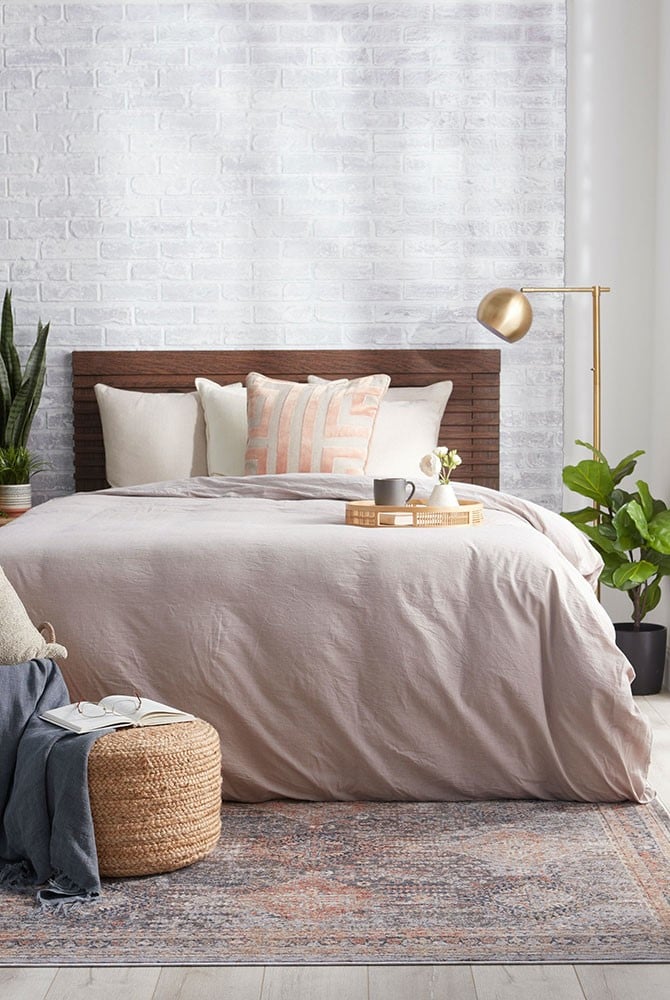
Thanks to their inherently textured quality, jute rugs are perfect for adding dimension to a room. Place one under a dining table to complement your decor without worrying about heavy foot traffic, or use it in an entryway where durability and natural charm are key. Jute fiber rugs also shine in bedrooms, home offices, or cozy reading nooks, where their unique fibers can be appreciated up close. Jute rugs are all about grounding texture, versatile style, and the earthy warmth they bring to your home.
Jute rugs have a distinctive, rustic texture that adds earthy character and depth to any space. Unlike wool rugs, which are plush, springy, and soft underfoot, jute offers a firmer, more tactile feel that works beautifully in layered designs or low-traffic areas. Wool’s cushioned pile provides warmth and comfort, making it ideal for living rooms, bedrooms, and high-traffic areas, while natural jute rugs prioritize texture and visual interest.
Cotton rugs, by comparison, are soft and smooth. Cotton is often lightweight and easy to clean, making these rugs well-suited for casual or kid-friendly spaces. Considering jute rug pros and cons can help you decide if the textured, earthy surface is the right fit for your needs. Jute excels at adding visual warmth and grounding a room, but it won’t provide the plush comfort of wool or cotton.
For households that love the look of jute, but want extra softness, layering is an easy solution. Place a jute rug as a natural, textured base and top it with a softer wool or cotton accent rug to enjoy style, softness, texture, and a cozy, cushioned feel underfoot.
Jute rugs combine structural strength with natural resilience, making them a solid choice for many areas of the home. Their tightly woven fibers hold up well in areas with low-to-moderate foot traffic, where they can maintain their shape and visual appeal over time. The natural texture of the fibers and their natural durability make jute rugs a practical, yet stylish option for entryways, dining rooms, and living areas that don’t see constant, heavy use.
Like any material, jute does have its own unique limitations. Prolonged exposure to moisture can weaken the fibers, leading to fraying, flattening, or even permanent damage. Heavy foot traffic or frequent friction can wear down the pile and reduce the rug’s lifespan. With proper care, these natural fiber rugs can retain their charm for years. We recommend keeping your jute rug in dry, moderate-traffic areas and vacuuming it gently without a beater bar.
So, are jute rugs durable? The answer is yes - but with some caveats. Like any natural material, jute has its limitations. Avoiding factors like prolonged exposure to moisture, heavy foot traffic, or frequent friction will keep your jute rug in tip-top shape. With proper care, these rugs can retain their charm and texture for years.
Jute rugs thrive in spaces where their natural texture and earthy tones can shine without being overworked. Because they’re best suited for low-moisture, moderate-traffic areas, choosing the right room ensures your rug maintains its beauty for the long haul.

Any rug can shine in the right space, and jute rugs are no exception. Jute works best in dry, moderate-traffic or low-traffic areas. Placing your jute rug in the wrong environment can compromise the natural fibers and shorten its lifespan, so it’s important to be mindful when it comes to styling your space.
Jute rugs are not designed for outdoor use or consistently damp environments. Exposure to moisture can quickly cause fibers to rot, develop mildew, weaken, and suffer permanent damage - even in a covered or partially protected space. Instead, consider outdoor area rugs made from synthetic fibers, polypropylene, or other moisture-resistant materials that can withstand the elements while maintaining their look and durability. To keep your jute rug looking its best, stick to dry, indoor areas where its natural texture and warmth can shine.
Jute rugs don’t shed in the traditional sense like wool, but their natural fibers can break or release small, loose strands. This is a normal, expected part of the rug settling and is most noticeable during the first few weeks or months of use. Unlike shedding, which comes from fiber loss during manufacturing, jute’s loose strands are simply the result of its coarse, textured fibers adjusting to everyday use.
To minimize visible debris, vacuum your rug regularly using a suction-only setting and avoid a beater bar, which can damage the fibers. Occasional gentle shaking outdoors can also help remove loose strands. Over time, fiber breakage decreases, and the rug’s surface becomes more stable. This is when the natural texture and earthy appeal will truly shine. With proper care, your jute rug will maintain its charm and tactile character for years.
When you’re shopping for natural fiber rugs, it helps to understand how jute compares to other popular options like sisal and seagrass. Considering jute vs sisal rugs highlights key differences in texture, durability, and care that can guide your decision. By understanding the differences between jute, sisal, and seagrass, you can choose the right material to match your household’s traffic patterns, lifestyle needs, and aesthetic preferences while also staying within your budget.
Jute is the softest and most affordable material of the three. Jute rugs are popular because their warm, tactile surface adds natural texture to a room. While jute is perfect for low-traffic areas and layered looks, it’s less durable than sisal or seagrass and can be more susceptible to moisture and wear. Jute rugs are ideal for households without pets or heavy spills, and they pair well with neutral, organic, or boho-inspired interiors on a budget-conscious scale.
Sisal rugs are rougher and more resilient, making them ideal for high-traffic spaces like hallways, living rooms, or entryways. Their durability makes them pet-friendly and resistant to fraying, but they still require careful placement in damp environments. Sisal’s structured weave complements rustic, modern, or casual design styles while providing a longer-lasting investment.
Seagrass rugs are the smoothest option of the three. They offer a glossy surface, and they are naturally stain-resistant and moisture-tolerant. They offer a refined, coastal look that works well in kitchens, bathrooms, or casual living spaces, and they maintain their appearance even under moderate use. Seagrass offers a mid-range option for buyers seeking both style and functionality, and it can handle moderate traffic or pets better than jute.
Jute rugs are an excellent choice for homeowners who value natural aesthetics and earthy texture. They thrive in low-moisture, moderate-traffic spaces, and they’re ideal for those who appreciate a rustic, tactile feel rather than plush softness. Budget-conscious shoppers looking for a sustainable, eco-friendly option will also find jute rugs appealing, as they combine style, versatility, and affordability in one natural fiber.
Before purchasing, consider your home’s specific needs. Think about your room conditions, including exposure to moisture or heavy foot traffic, and consider every family member - including pets, children, or other sources of frequent spills that may impact a jute rug’s longevity. Understanding your willingness to perform routine care and upkeep is also key, as proper jute rug maintenance helps preserve the fibers, prevent fraying, and extend the rug’s life. Simple measures like gentle vacuuming and avoiding damp areas can go a long way.
By weighing your space, traffic, lifestyle, and maintenance preferences, you can determine if a jute rug fits your home’s needs. For a wide selection of high-quality options that combine natural charm with practical durability, browse the thoughtfully curated selection of jute area rugs at Rugs Direct.



It’s as easy as adding the Protection Plan - along with the product you want covered - to your cart and checking out!
Once you purchase coverage, you will receive a welcome email, giving you access to your dedicated portal (where you will be able to view your coverage information and file a claim).
Accidental damage coverage begins day 1 of purchase, while defects in materials and workmanship are covered as soon as the 30-day return period expires.
You can file a claim by going to getmulberry.com/login and by logging into your portal. Or you can simply contact the customer support team 24/7 via [email protected].
If damage is beyond repair, Mulberry will replace your product or will reimburse you for your product. If a repair is needed, Mulberry will coordinate technician cleaning or repair. Mulberry will repair your product up to its original retail price.
You are able to cancel your Protection Plan by contacting Mulberry or by logging into your customer portal. Within the first 30 days of purchase, you will receive a full refund.
You can exchange your product for an identical product, without it affecting your warranty purchase. If you exchange your product for a different item, you will need to cancel your existing coverage and purchase a new plan, as coverage is tied to the specific product with which it was purchased.
Currently, coverage is only available in the United States, including Hawaii, Alaska and Puerto Rico.
The Protection Plan does not cover damage that occurs during product delivery, pet damage (other than bodily fluids), odor elimination, intentional abuse of the product, or theft or loss of the product.
Yes. All protection plans are transferable in ownership.


Mulberry is a best-in-class extended warranty provider that works with retailers to provide customers with accidental damage protection on their purchased products.
The Mulberry Protection Plan is a 1- and 5-year extended coverage program that protects against accidental damage to your rug.
Mulberry provides a quick, online claims process and does not require a receipt to file a claim.
Free standard shipping on all orders within the contiguous USA.
Orders to Canada, Alaska, Hawaii and Puerto Rico will incur additional shipping and handling fees, which will be calculated and presented at checkout. Canadian customers will be charged for all applicable customs duties, taxes, and brokerage fees.
For large, oversize rugs that require a surcharge above our shipping and freight partners’ standard shipping rates, an Oversize Processing Fee will be calculated in cart.
Your discount code is on its way.
If you don't receive your promo code, please check your email junk or spam folder and click on "Not spam".