Beautiful rugs, delivered fast + free

Rug Size Guides
A rug that constantly shifts, bunches, or curls at the corners can quietly undermine an otherwise well-designed room. Beyond the obvious annoyance, sliding rugs create real safety risks, especially in high-traffic areas like living rooms, hallways, kitchens, and entryways. They can also cause premature wear on both the rug and the floor beneath it.
Keeping a rug in place is not just about choosing a single product or a quick fix. The right solution depends on several factors, including floor type, rug size and weight, furniture layout, and how the space is used day-to-day. What works on hardwood may fail on carpet. A solution that holds a large area rug may not be enough for a narrow runner.
This guide is designed to be a complete, practical reference. It walks through proven ways to stop rugs from sliding, explains when to use each method, and helps you avoid common mistakes. Whether you are dealing with a small accent rug or a large living room anchor piece, you will find clear, reliable guidance below.
Rugs slide when there is not enough friction between the rug backing and the surface underneath. This problem is more common than many people realize and can happen for several reasons:
Understanding why a rug is moving makes it easier to choose the right solution rather than layering fixes that do not address the root cause.
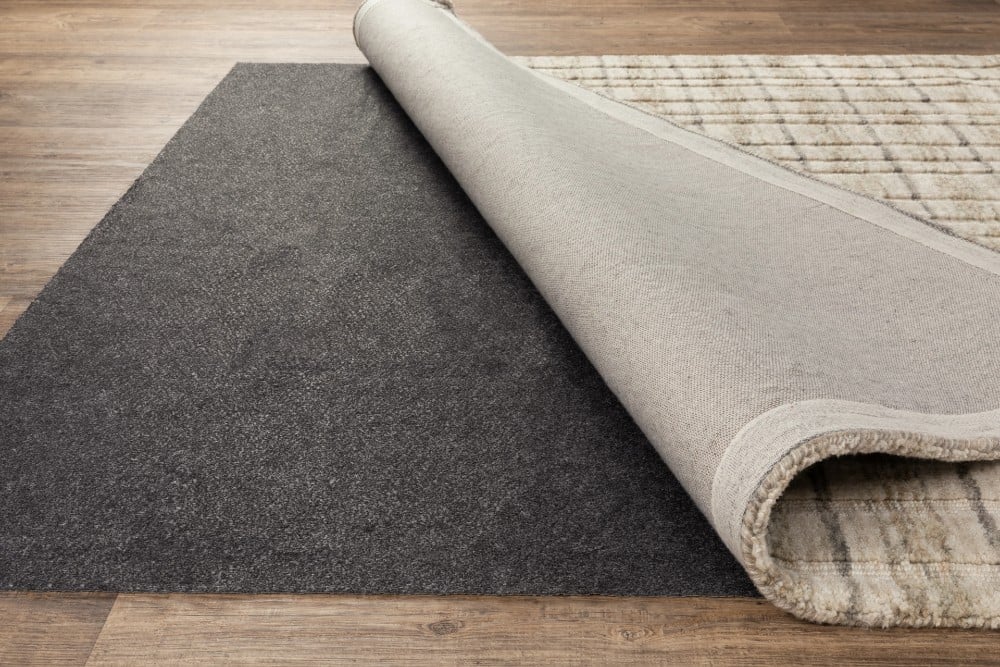
For most homes, a rug pad is the single best way to keep rugs from sliding. A properly chosen pad increases friction, protects floors, improves comfort, and extends the life of the rug.
Rug pads sit between the rug and the floor. Depending on the material, they either grip the floor, grip the rug, or do both. High-quality pads also help rugs lie flatter, which reduces curling and edge lift over time.
Hardwood, tile, laminate, and vinyl floors: Look for non-slip rug pads made from rubber or felt-and-rubber combinations. These provide strong grip without damaging finished surfaces.
Carpeted floors: Use a pad specifically designed for carpet-on-carpet use. These pads grip the rug backing and rely on weight rather than adhesion to stay in place.
Low-pile vs. high-pile carpet: Thicker pads tend to work better on plush carpet, while thinner, denser pads perform well on low-pile surfaces.
A rug pad should be slightly smaller than the rug, typically about one to two inches shorter on all sides. This keeps the pad hidden while ensuring the rug edges sit flush against the floor.

Rug grippers are small pads or strips placed under the corners or edges of a rug. They are especially useful for smaller rugs that tend to shift even when paired with a pad.
Grippers are easy to install and remove, making them a good option for renters or anyone who likes to change layouts often.
Rug tape provides a stronger bond than pads or grippers alone. It uses double-sided adhesive to attach the rug to the floor or carpet beneath it.
Always choose tape designed for your specific floor type. Some adhesives can damage wood finishes or leave residue if misused. Test tape in an inconspicuous area before full installation.


Hook-and-loop fasteners, commonly known as Velcro strips, offer a strong hold that is still removable. One side attaches to the rug backing, while the other attaches to the floor or pad beneath.
This option works well for rugs that need to be lifted or repositioned regularly, such as those near doors or under furniture that moves.
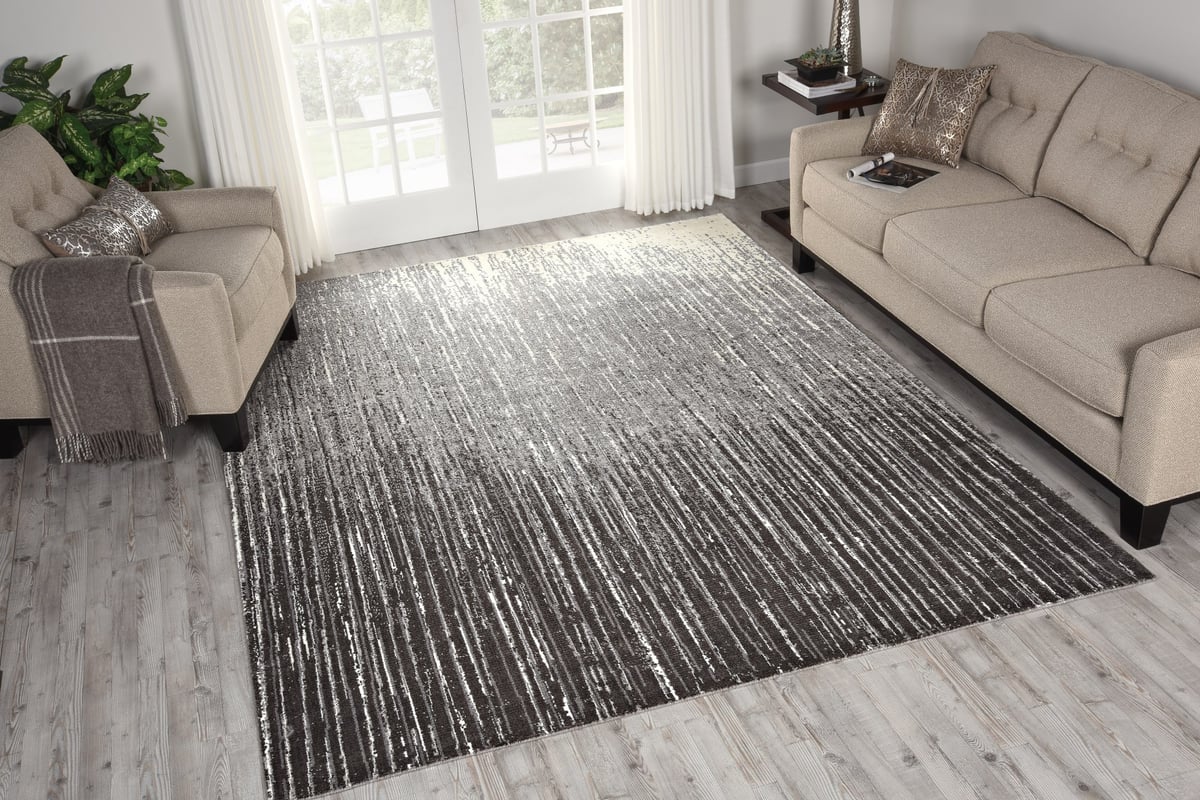
Furniture placement can add stability, but it should support, not replace, proper rug securing methods.
Furniture weight helps prevent large rugs from drifting, but relying on furniture alone often leads to gradual shifting and uneven wear.
Small rugs are the most likely to slide because they lack weight and surface area.
Best solutions:
Avoid placing small rugs directly on smooth floors without a pad.
Medium rugs benefit from a combination of grip and weight.
Best solutions:
Large rugs usually stay in place better, but can still creep over time.
Best solutions:
Runners are especially prone to slipping due to their narrow shape.
Best solutions:
Not all pads are universal. A pad designed for hardwood may fail completely on carpet.
Fix: Match the pad material to the floor surface.
Smaller rugs shift more easily and are harder to secure.
Fix: Size up whenever possible and use a pad that covers most of the rug area.
Dust and debris reduce grip over time.
Fix: Vacuum under rugs and pads regularly and recheck placement every few months.
Shelf liners and temporary hacks may work briefly but often break down.
Fix: Invest in purpose-built rug pads and accessories for long-term stability.
Measure the exact width and length of your rug, including any fringe.
Select a pad slightly smaller than the rug to prevent visibility.
Dust and debris reduce grip. Clean the floor before installing any pad or tape.
Lay the pad flat, place the rug on top, and smooth out any ripples.
Add grippers or tape to corners or high-movement areas.
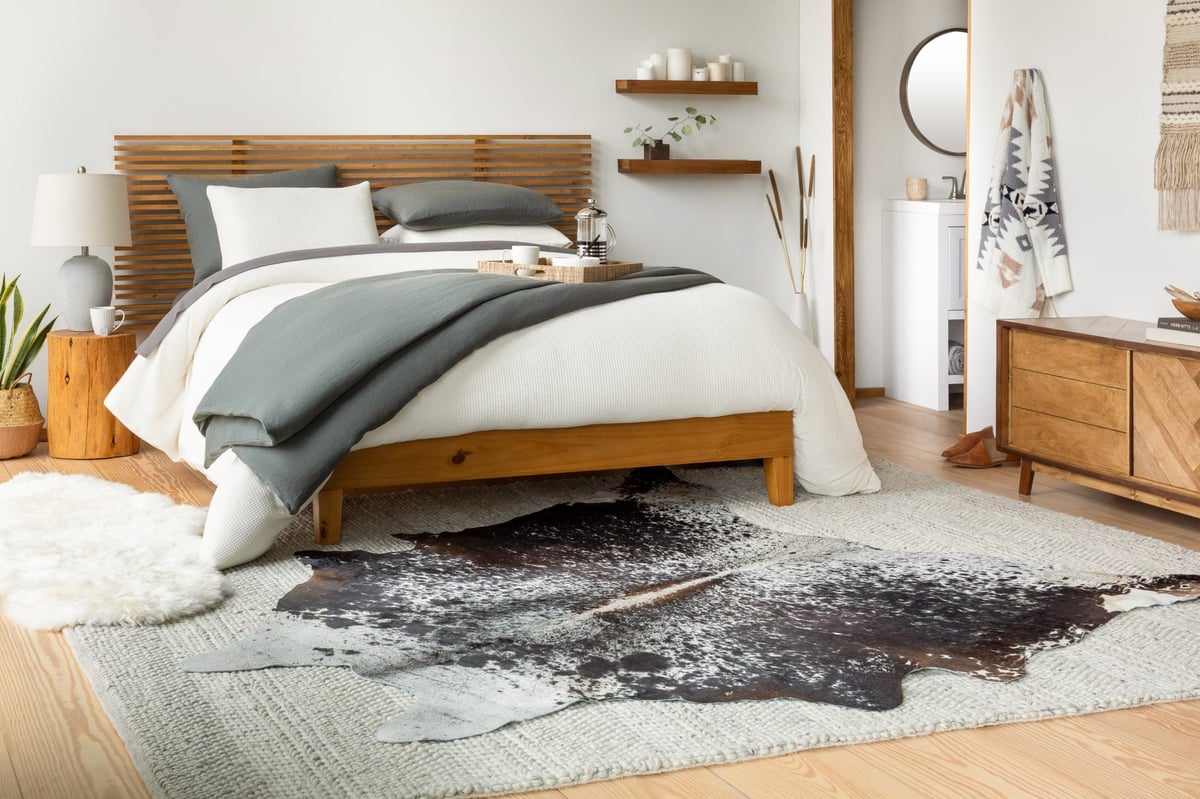
Some rugs are inherently more prone to slipping due to their construction.
Pairing lighter rugs with high-quality pads is essential for safety and stability.
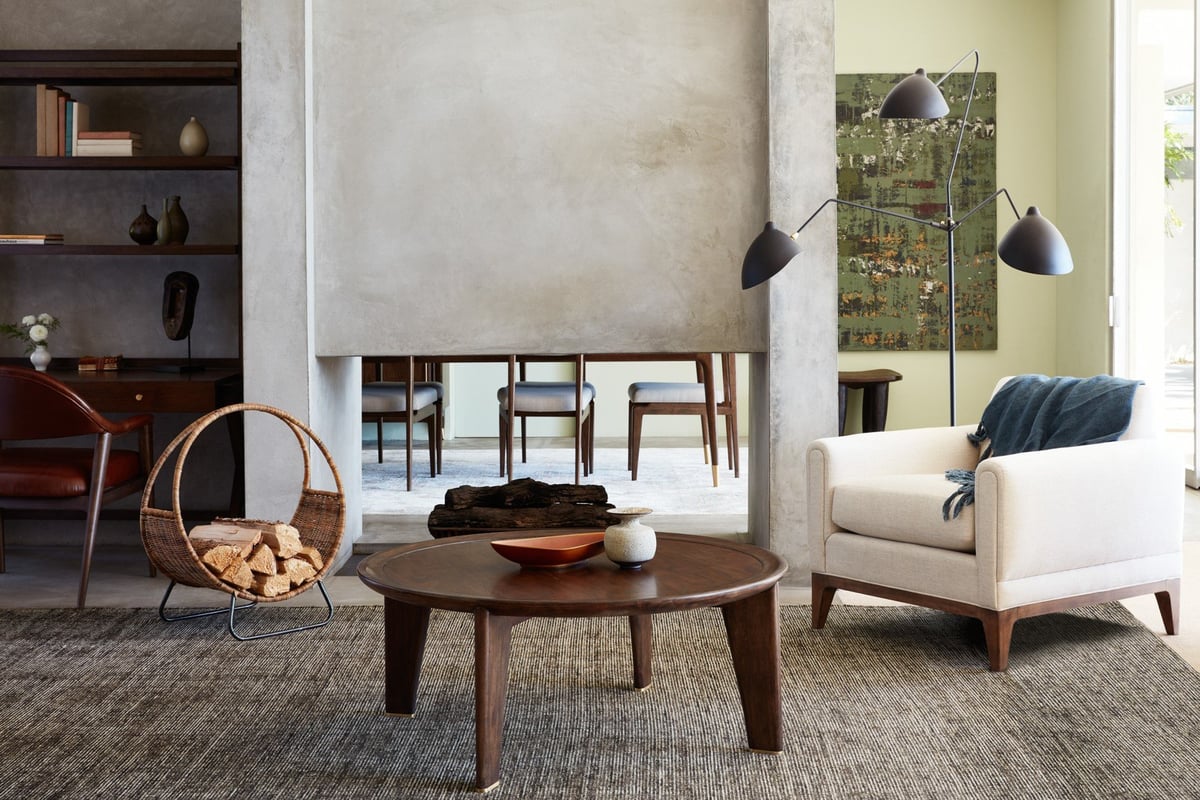
A rug that stays in place does more than look better. It creates a safer home, protects your floors, and helps your space feel intentional and finished. By choosing the right combination of rug pads, grippers, tape, and thoughtful placement, you can solve sliding issues once and enjoy your rugs with confidence.
With the right setup, your rug becomes what it was meant to be: a stable foundation that grounds the room rather than something you constantly adjust.
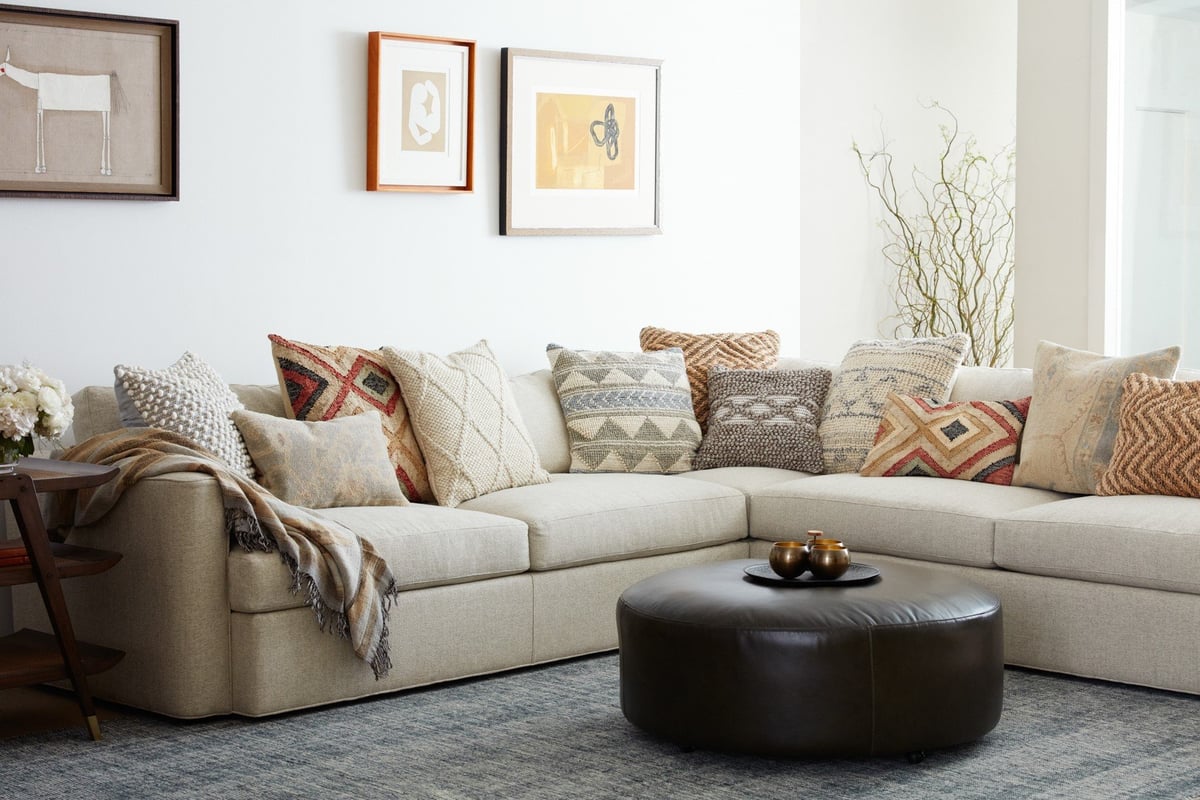
Use a non-slip rug pad designed for hardwood floors. For added security, place rug grippers under the corners or use rug tape in high-traffic areas.
Some tapes can damage finishes if not designed for your floor type. Always choose tape labeled safe for your surface and test it first.
Yes, but only pads made for carpet-on-carpet use. Standard non-slip pads will not grip carpet fibers effectively.
Most quality rug pads last several years. Replace them if they lose grip, become brittle, or no longer lie flat.
Furniture helps, but it should not be the only solution. A rug pad is still recommended to prevent gradual movement and uneven wear.
Placing a rug on top of carpet is a great way to show off your personal aesthetic. To make the most of that layout, it's vital to intentionally secure your area rug to the top of the carpet. With the methods listed above and ideas for combining different adhesive tools, you can now customize your home and create a safe and stable space.



It’s as easy as adding the Protection Plan - along with the product you want covered - to your cart and checking out!
Once you purchase coverage, you will receive a welcome email, giving you access to your dedicated portal (where you will be able to view your coverage information and file a claim).
Accidental damage coverage begins day 1 of purchase, while defects in materials and workmanship are covered as soon as the 30-day return period expires.
You can file a claim by going to getmulberry.com/login and by logging into your portal. Or you can simply contact the customer support team 24/7 via [email protected].
If damage is beyond repair, Mulberry will replace your product or will reimburse you for your product. If a repair is needed, Mulberry will coordinate technician cleaning or repair. Mulberry will repair your product up to its original retail price.
You are able to cancel your Protection Plan by contacting Mulberry or by logging into your customer portal. Within the first 30 days of purchase, you will receive a full refund.
You can exchange your product for an identical product, without it affecting your warranty purchase. If you exchange your product for a different item, you will need to cancel your existing coverage and purchase a new plan, as coverage is tied to the specific product with which it was purchased.
Currently, coverage is only available in the United States, including Hawaii, Alaska and Puerto Rico.
The Protection Plan does not cover damage that occurs during product delivery, pet damage (other than bodily fluids), odor elimination, intentional abuse of the product, or theft or loss of the product.
Yes. All protection plans are transferable in ownership.


Mulberry is a best-in-class extended warranty provider that works with retailers to provide customers with accidental damage protection on their purchased products.
The Mulberry Protection Plan is a 1- and 5-year extended coverage program that protects against accidental damage to your rug.
Mulberry provides a quick, online claims process and does not require a receipt to file a claim.
Free standard shipping on all orders within the contiguous USA.
Orders to Canada, Alaska, Hawaii and Puerto Rico will incur additional shipping and handling fees, which will be calculated and presented at checkout. Canadian customers will be charged for all applicable customs duties, taxes, and brokerage fees.
For large, oversize rugs that require a surcharge above our shipping and freight partners’ standard shipping rates, an Oversize Processing Fee will be calculated in cart.
Your discount code is on its way.
If you don't receive your promo code, please check your email junk or spam folder and click on "Not spam".