
Beautiful rugs, delivered fast + free

Rug How-To Guides
Few things are more frustrating than excitedly unrolling a beautiful new rug, only to see curled edges or deep creases that refuse to settle. This problem is incredibly common because rugs are tightly rolled for shipping, which can temporarily affect how the fibers and backing behave once the rug is placed in your home. Fortunately, there are reliable ways to fix the problem without damaging your rug.
Understanding how to get a rug to lay flat starts with knowing why rugs curl or crease in the first place. Different fibers react differently to pressure, temperature, and humidity, which means the best solution often depends on the rug’s material and construction. With the right approach, most rugs will relax and flatten naturally over time. Ahead, we’ll walk through the common reasons rugs develop curled edges or creases, share proven methods for flattening them, and explain how different materials require slightly different solutions so you can confidently get the smooth, polished look you envisioned.
If you’ve ever unrolled a new rug and noticed lifted corners or visible folds, you’re not alone. Rug curling edges and creases are extremely common when rugs are shipped or stored in a rolled position.
Several factors contribute to this temporary issue:
The good news is that these issues are almost always temporary. Once the rug has time to adjust to its new environment and the fibers begin to relax, most curling and creasing will resolve with a few simple techniques.
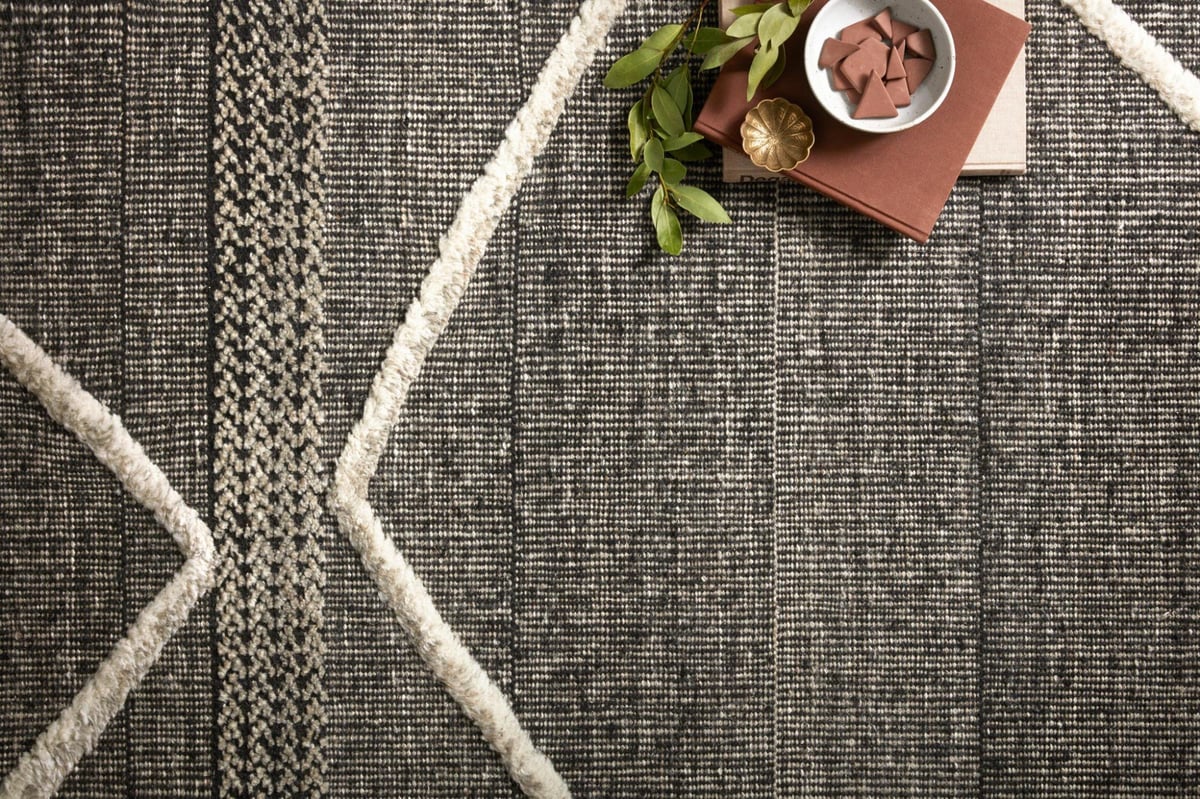
If you’re wondering how to flatten a rug quickly after delivery, there are a few simple methods that work well for most materials. These techniques help encourage the fibers and backing to relax without causing damage.
These techniques are safe for most rugs and often solve minor curling or creasing without any additional steps.
While basic flattening techniques work in many situations, each rug material behaves differently, depending on its fiber structure and backing. Understanding how different materials respond to pressure, humidity, and temperature can make it much easier to flatten a rug effectively without risking damage.
These material-specific strategies can help encourage your rug to settle smoothly:
Because wool fibers are resilient, yet flexible, they typically respond well to gradual adjustments. If you’re trying to flatten a rug made from wool, start by allowing the rug to rest flat in a room for several days so the fibers can naturally relax. For stubborn corners, reverse rolling and lightly weighting the edges can help encourage the rug to settle evenly. Wool fibers also respond well to moderate humidity, so maintaining a comfortable indoor climate can help speed up the process. High-quality wool rugs tend to flatten naturally once the fibers adjust to their new environment.
Synthetic materials like polypropylene and polyester tend to be more flexible, which means they often respond well to gentle heat and pressure. To flatten rugs made of synthetic fibers, placing weight on curled corners or reverse rolling the rug is often enough. In some cases, mild warmth from sunlight in a well-lit room can help soften the backing slightly so the rug can settle faster. Because they’re so durable and easy to maintain, most synthetic rugs flatten quickly once they’ve had a little time to relax after shipping.
Natural materials like jute and sisal require a gentler approach. Because these fibers are more rigid and absorb moisture easily, forcing them flat too quickly can cause damage. When trying to flatten a rug made from these materials, avoid excessive weight or heat. Instead, place the rug flat and allow it to settle naturally over several days. Lightly weighting the corners can help, but patience is key when you’re working with natural fiber rugs.

Often, adding a rug pad can make a noticeable difference in how quickly a rug settles. High-quality rug pads provide grip between the rug and the floor, which helps prevent sliding and keeps edges from lifting. Because rug pads stabilize the base of the rug, they can also reduce curling edges by holding the rug firmly in place. This added stability allows the fibers to relax naturally without shifting or bunching.
Beyond helping a rug lay flat, rug pads offer several long-term benefits. They provide cushioning underfoot, protect floors from friction, and help distribute weight more evenly across the rug. This support can extend the lifespan of your rug by reducing wear in high-traffic areas.
Most rugs begin to settle within a few days of being unrolled. Under normal conditions, it typically takes about 2 to 7 days for fibers to relax and for the rug to fully flatten. During this time, the rug gradually adjusts to the temperature and humidity of the room. Minor rug creases may soften as the fibers loosen, while curled rug corners and edges typically relax as the rug remains flat on the floor. Using techniques like reverse rolling, adding light weight to the corners, or placing the rug over a rug pad can help speed up the process. Even so, patience is often the most important factor when learning how to get a rug to lay flat, as fibers simply need time to return to their natural shape.
When you’re trying to fix curling edges or creases, it’s important to avoid methods that can damage the rug’s fibers or backing.
Common mistakes include:
With a bit of time and the right approach, most curling edges and rug creases resolve on their own. A little patience and the proper support underneath the rug can go a long way toward helping it settle into place and maintain its shape. Thoughtful construction and quality materials help rugs perform better over time, making it easier to maintain a smooth, polished look throughout your space. At Rugs Direct, you’ll find expertly crafted rugs and supportive rug pads designed with longevity in mind. Whether you’re shopping for area rugs that prioritize quality, longevity, style, or a combination of all three, exploring our curated collections will lead you to pieces that look beautiful and perform well for years to come.
Rugs often develop curled edges or corners because they’re tightly rolled during storage, packaging, and shipping. When fibers stay compressed for long periods, they can temporarily hold that curved shape once unrolled. Allowing the rug to relax, reverse rolling it, or placing weight on the corners usually helps the edges settle naturally.
Most rugs flatten within 2 to 7 days after being unrolled from their shipping packaging. During this time, the fibers gradually relax and any rug creases begin to soften. Techniques like reverse rolling or adding a rug pad can help speed up the process, but most rugs will naturally flatten over the course of the first week.
Yes, reverse rolling is one of the most effective techniques for flattening a rug. Rolling the rug in the opposite direction helps counteract the curl created during shipping because it helps the fibers relax. Roll the rug, let it sit for a few hours, unroll it, and allow it to settle again.
Yes, rug pads can help stabilize rugs and prevent movement that can contribute to curling edges. By providing grip between the rug and the floor, rug pads encourage the rug to stay flat and evenly supported.
Gentle warmth can sometimes help soften the backing of synthetic rugs, which may help flatten a rug faster. However, excessive heat can damage fibers or adhesives. If you choose to use heat, always be very cautious. If your rug is made with delicate materials, this technique should be avoided entirely.
Yes, placing books or other flat heavy objects on lifted corners can help reduce curling edges. This technique gently encourages the rug to relax without stretching the fibers. For the best results, leave the weight in place overnight.
Yes, moderate humidity can help fibers relax more quickly, which may reduce rug creases over time. Because extremely dry environments can make fibers slightly stiffer, the rug may take longer to fully settle in those climates.


It’s as easy as adding the Protection Plan - along with the product you want covered - to your cart and checking out!
Once you purchase coverage, you will receive a welcome email, giving you access to your dedicated portal (where you will be able to view your coverage information and file a claim).
Accidental damage coverage begins day 1 of purchase, while defects in materials and workmanship are covered as soon as the 30-day return period expires.
You can file a claim by going to getmulberry.com/login and by logging into your portal. Or you can simply contact the customer support team 24/7 via [email protected].
If damage is beyond repair, Mulberry will replace your product or will reimburse you for your product. If a repair is needed, Mulberry will coordinate technician cleaning or repair. Mulberry will repair your product up to its original retail price.
You are able to cancel your Protection Plan by contacting Mulberry or by logging into your customer portal. Within the first 30 days of purchase, you will receive a full refund.
You can exchange your product for an identical product, without it affecting your warranty purchase. If you exchange your product for a different item, you will need to cancel your existing coverage and purchase a new plan, as coverage is tied to the specific product with which it was purchased.
Currently, coverage is only available in the United States, including Hawaii, Alaska and Puerto Rico.
The Protection Plan does not cover damage that occurs during product delivery, pet damage (other than bodily fluids), odor elimination, intentional abuse of the product, or theft or loss of the product.
Yes. All protection plans are transferable in ownership.


Mulberry is a best-in-class extended warranty provider that works with retailers to provide customers with accidental damage protection on their purchased products.
The Mulberry Protection Plan is a 1- and 5-year extended coverage program that protects against accidental damage to your rug.
Mulberry provides a quick, online claims process and does not require a receipt to file a claim.
Free standard shipping on all orders within the contiguous USA.
Orders to Canada, Alaska, Hawaii and Puerto Rico will incur additional shipping and handling fees, which will be calculated and presented at checkout. Canadian customers will be charged for all applicable customs duties, taxes, and brokerage fees.
For large, oversize rugs that require a surcharge above our shipping and freight partners’ standard shipping rates, an Oversize Processing Fee will be calculated in cart.

Your discount code is on its way.
If you don't receive your promo code, please check your email junk or spam folder and click on "Not spam".